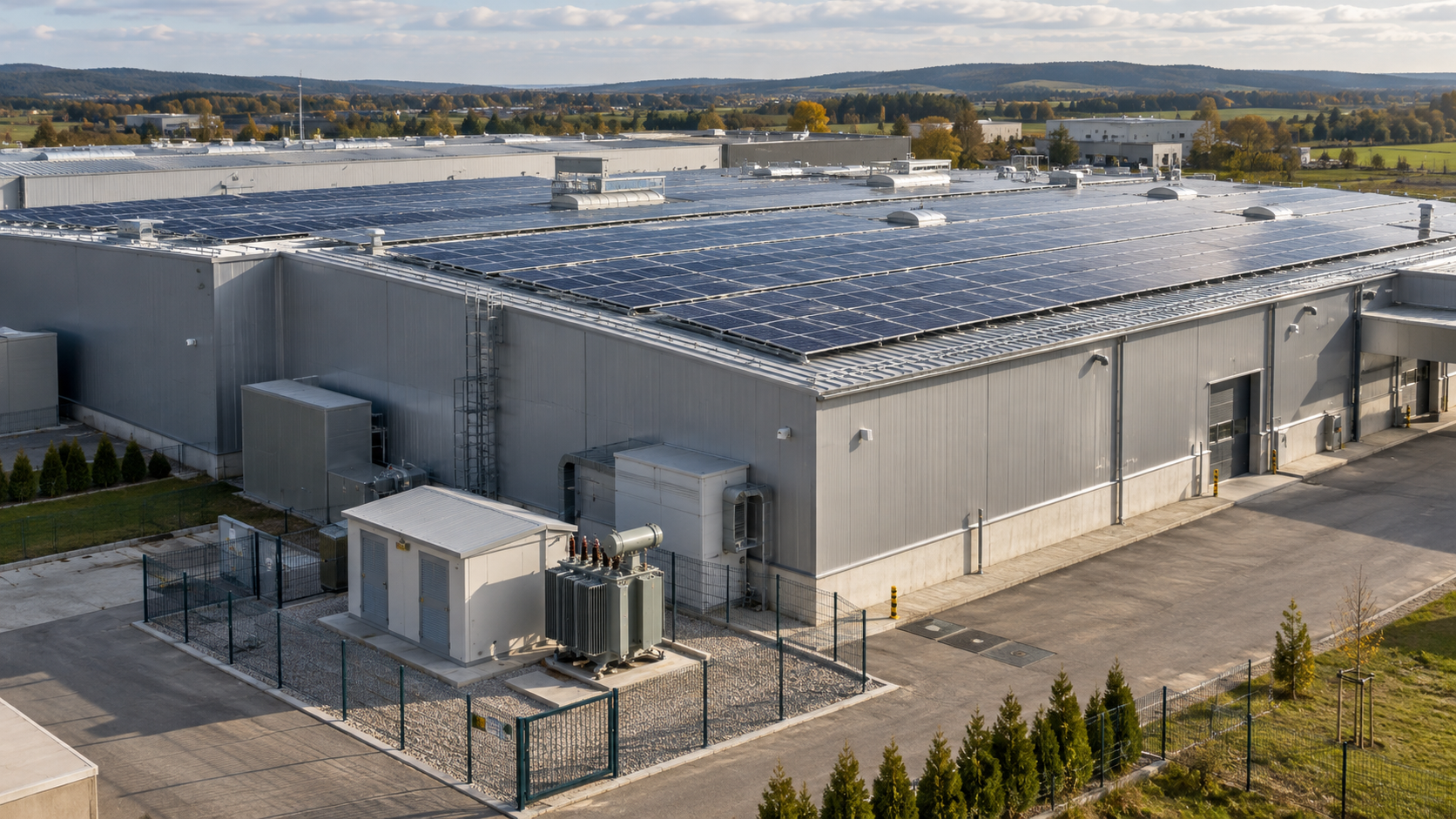
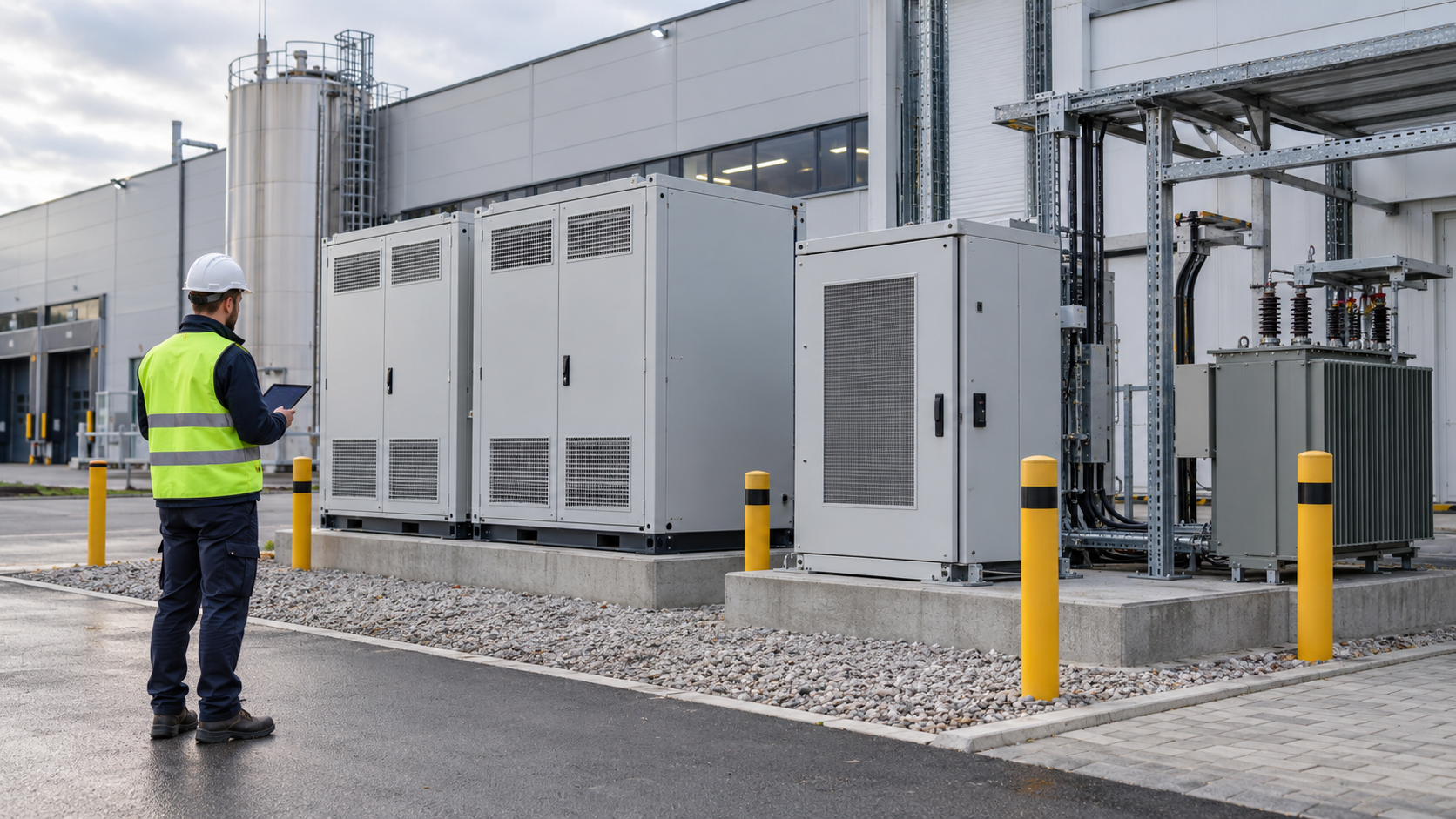
An energy strategy is an essential part of corporate planning. Its primary purpose is to ensure the responsible and efficient use of energy resources. An energy strategy should provide the energy independence needed to operate the business while improving its efficiency and reducing costs and emissions of harmful substances into the environment
What determines the effectiveness of an energy strategy?
To achieve the best results when designing an effective energy strategy, it is necessary to conduct a thorough analysis of current energy consumption and identify opportunities to reduce it. The process should begin by determining the current level of energy consumption through an examination and understanding of production processes and their impact on energy use. The next step is to analyse those processes and identify improvements that can reduce electricity costs.
The next step is to introduce changes to production processes that enable the identified energy-saving opportunities to be implemented. This requires appropriate technological solutions, such as cogeneration, photovoltaics, energy storage, energy-efficient LED lighting and others. The energy strategy should also be monitored and evaluated regularly so that it can be adapted to changing needs and conditions.
In summary, designing an effective energy strategy requires a thorough analysis of current energy consumption, identification of energy-saving opportunities, changes to production processes and implementation of appropriate technological solutions. It is also important to monitor and evaluate the strategy regularly so that it can be adapted to changing needs and conditions.
Every company is different, so its energy strategy should reflect its specific characteristics and needs. It should therefore develop optimal solutions that support the goals and underlying assumptions of the energy strategy. Ultimately, an effective energy strategy can deliver significant energy savings, translating into substantial financial benefits for the company and its environment.
Why use expert support when designing an energy strategy?
Using expert support when designing an energy strategy is particularly important because it offers a range of benefits: it can help improve energy efficiency while also saving time and money. Energy-sector experts bring extensive knowledge and experience, as well as access to the latest technologies and tools that can support the best possible results.
Experts can assess a company’s needs and opportunities in detail, allowing the strategy to be tailored to its specific challenges. They can identify challenges and problems related to energy consumption, recommend ways to reduce energy costs and improve energy efficiency, and analyse options for achieving greater independence from grid-supplied energy.
At the end of the service, a detailed report presenting the analyses performed is provided, together with recommendations for specific actions to be taken. The recommendations are based on best practices and the latest developments in the sector, helping to achieve the best possible results.
The largest companies in the sector, such as Energy Trend, can also support the implementation of selected solutions and measures, which can help improve energy efficiency and reduce costs associated with energy consumption. This enables the company to save time and resources that would otherwise need to be devoted to carrying out analyses and coordination work independently.