


Energy efficiency audit
Energy efficiency audit
for grants and Polish White Certificates
We quantify the energy impact of an upgrade, installation or process and demonstrate its economic and environmental significance.
We prepare energy efficiency audits for businesses that need a reliable calculation and documented evidence of a project’s energy impact. This is not a general audit of the entire company. It focuses on a specific project that must be described, assessed and documented for the next stage.
WHEN IS THIS AUDIT USEFUL?
Audits tailored to your project's objectives
This service is suited to projects where the energy impact of a specific upgrade, installation or process must be demonstrated — most often for a grant, Polish White Certificates or an investment decision.
Industrial projects and installations
For upgrades to processes, equipment and technical systems in businesses and manufacturing plants.
Grants, Polish White Certificates and investment decisions
When a project’s energy impact must be calculated and documented for a subsequent procedure.
A scope matched to the project stage
Depending on the audit’s purpose, we work with supplier quotations, design documentation, operational data or measurements.
We tailor the audit scope to the project’s purpose and the materials available. We use quotations, technical documentation, operational data and measurements — only to the extent needed to demonstrate the results reliably.






5 MOST COMMON APPLICATIONS
Why businesses commission an audit
We prepare audits for individual projects — to support grant applications, Polish White Certificates, investment decisions or independent verification of assumptions and achieved results.

Grants
Demonstrating a project’s energy impact to the extent required by the funding programme.
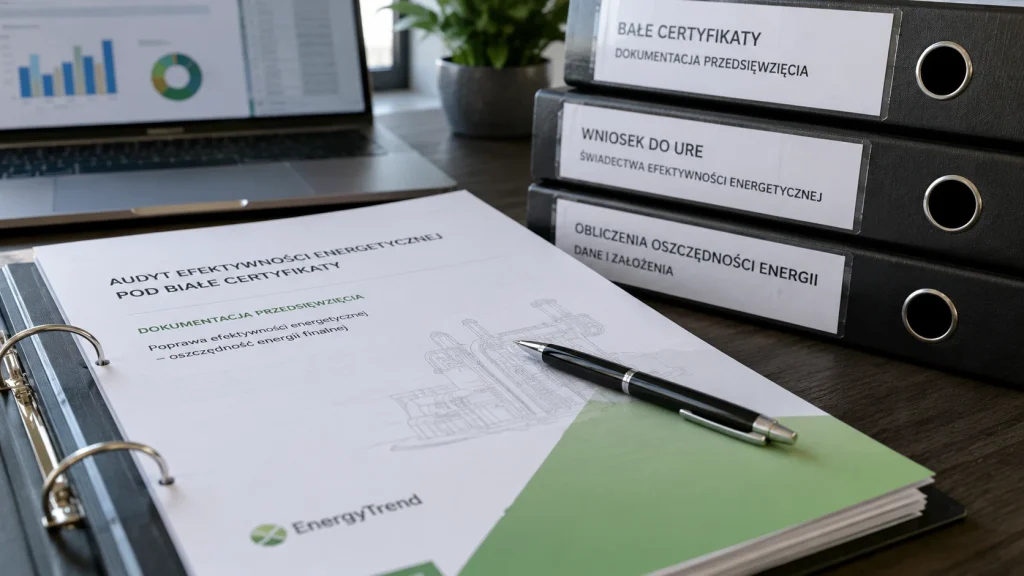
Polish White Certificates
The audit forms the technical part of documentation for a project applying for Polish White Certificates.

Independent assessment
Verification of the assumptions, operating parameters and savings claimed by the technology supplier.

Investment decision
Assessment of the energy and economic impact before proceeding with the investment.
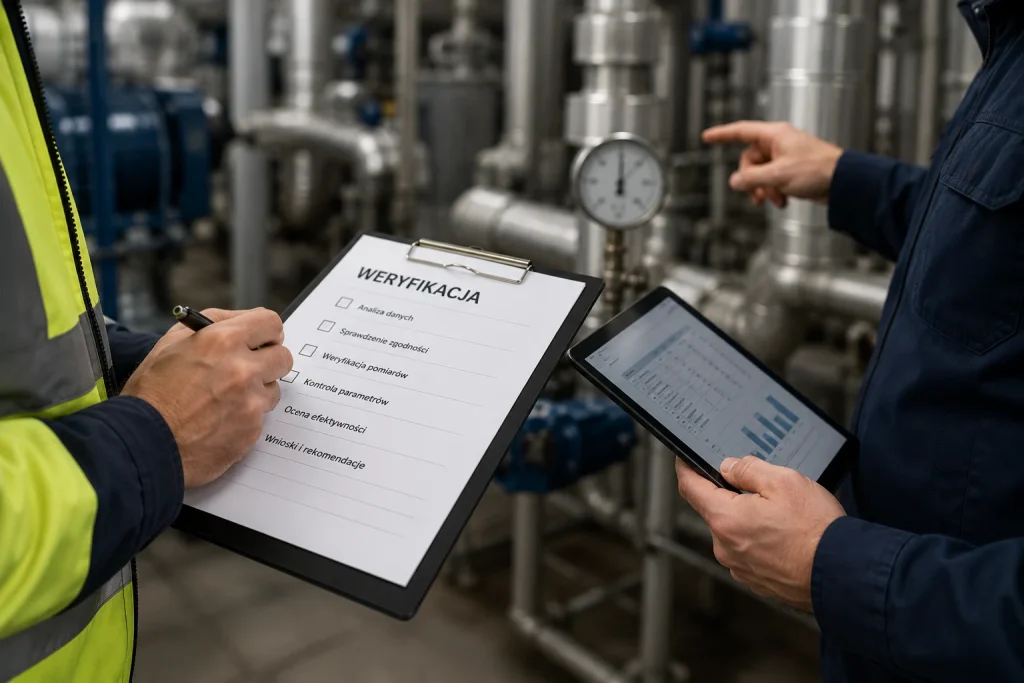
Verification of results
Confirmation of an upgrade’s actual results for settlement or a subsequent procedure.
Looking for savings across your entire business? Explore our company-wide energy audit →
WHEN IS AN AUDIT WORTHWHILE?
When is a supplier's quotation not enough?
An audit is valuable when the impact of an upgrade will underpin an investment decision, funding or settlement, and a supplier’s savings claim alone does not tell the whole story.
One specific investment → quantified results
5 SIGNS THAT FURTHER VERIFICATION IS NEEDED
Savings are merely claimed
The quotation states a savings percentage or amount but does not show the baseline, operating hours or calculation method.
There is no common basis for comparison
The current and proposed situations must be compared under the same conditions so that the result is not distorted by different assumptions.
Different options need comparing
Solutions vary in performance, scope and cost. An audit puts them on a consistent basis.
The results must support formal documentation
The energy impact needs to be calculated, described and traceable throughout the subsequent procedure.
Results must be verified after implementation
After the upgrade, we compare pre- and post-investment data and assess the results actually achieved.
Have a supplier quotation, project plan or measurement results?
That is enough to assess whether an audit is needed and what its scope should be.
AUDIT AREAS
6 most common areas
What types of projects can an energy efficiency audit cover?
An audit relates to a specific upgrade, installation or process. Below are the areas where we most often calculate and verify energy performance improvements.
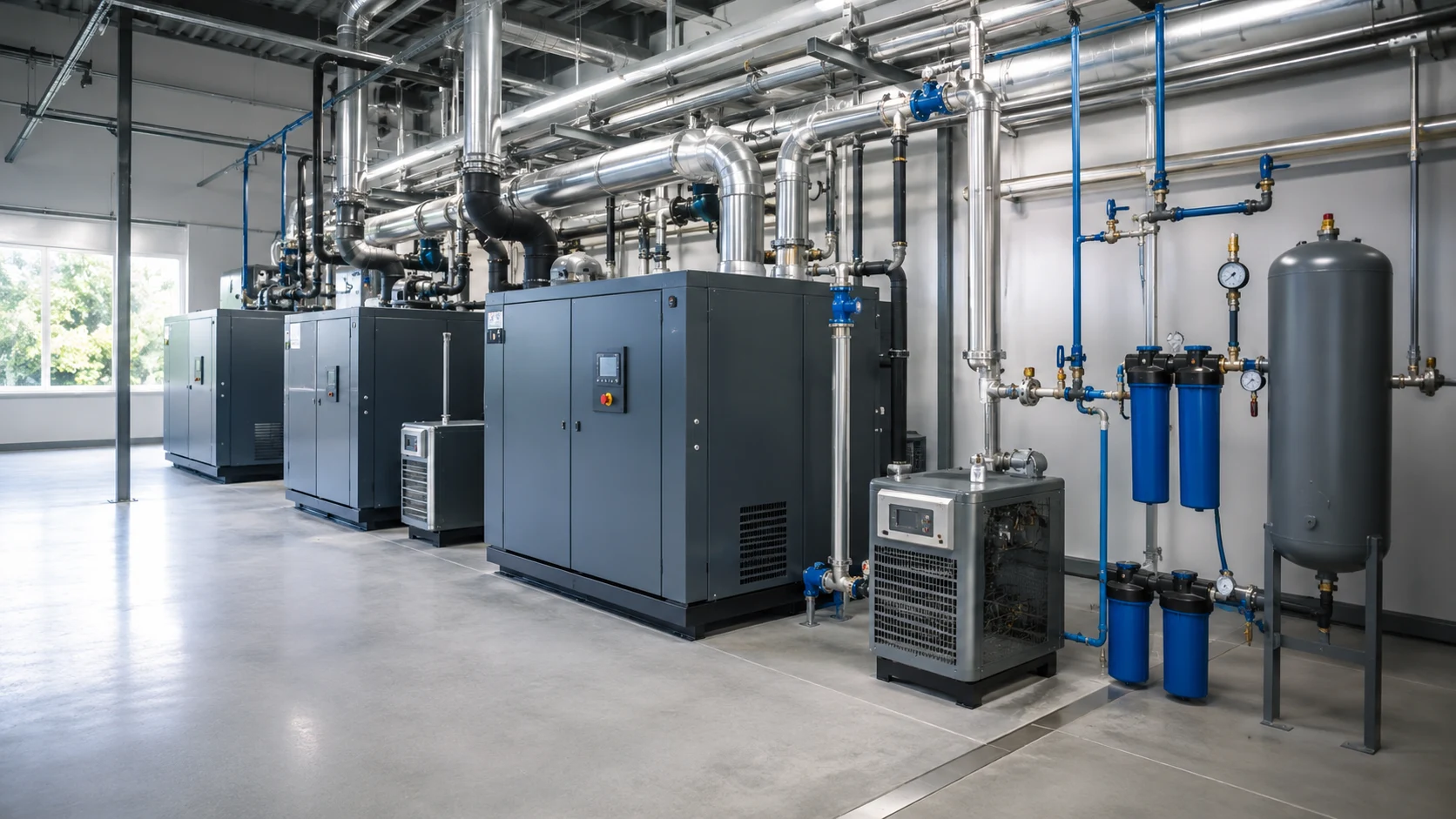
Industrial processes and installations
Upgrades to machinery, production processes, industrial installations and equipment operation.
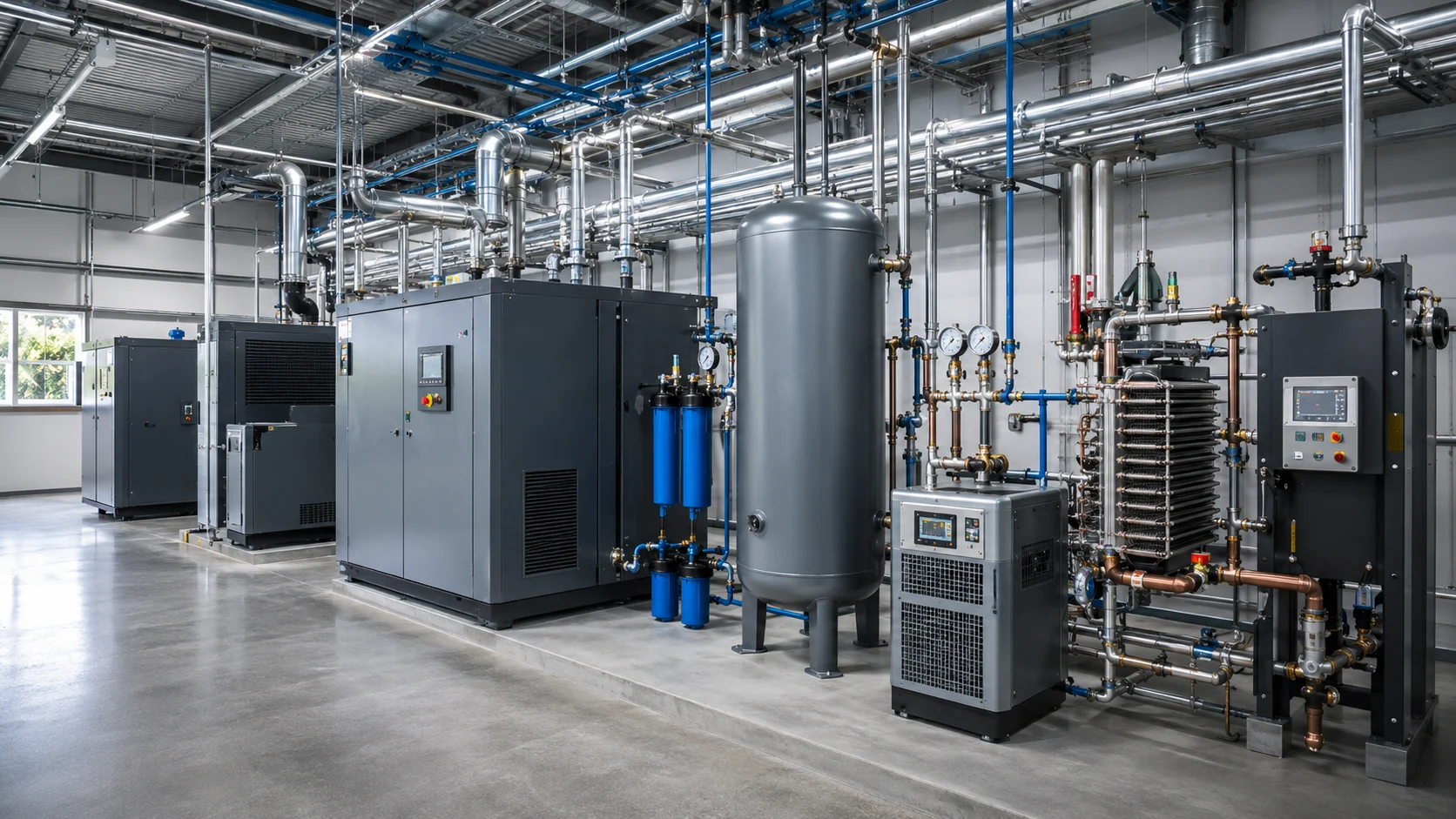
Compressed air
Compressors, distribution networks, controls and waste heat recovery from compressed air systems.
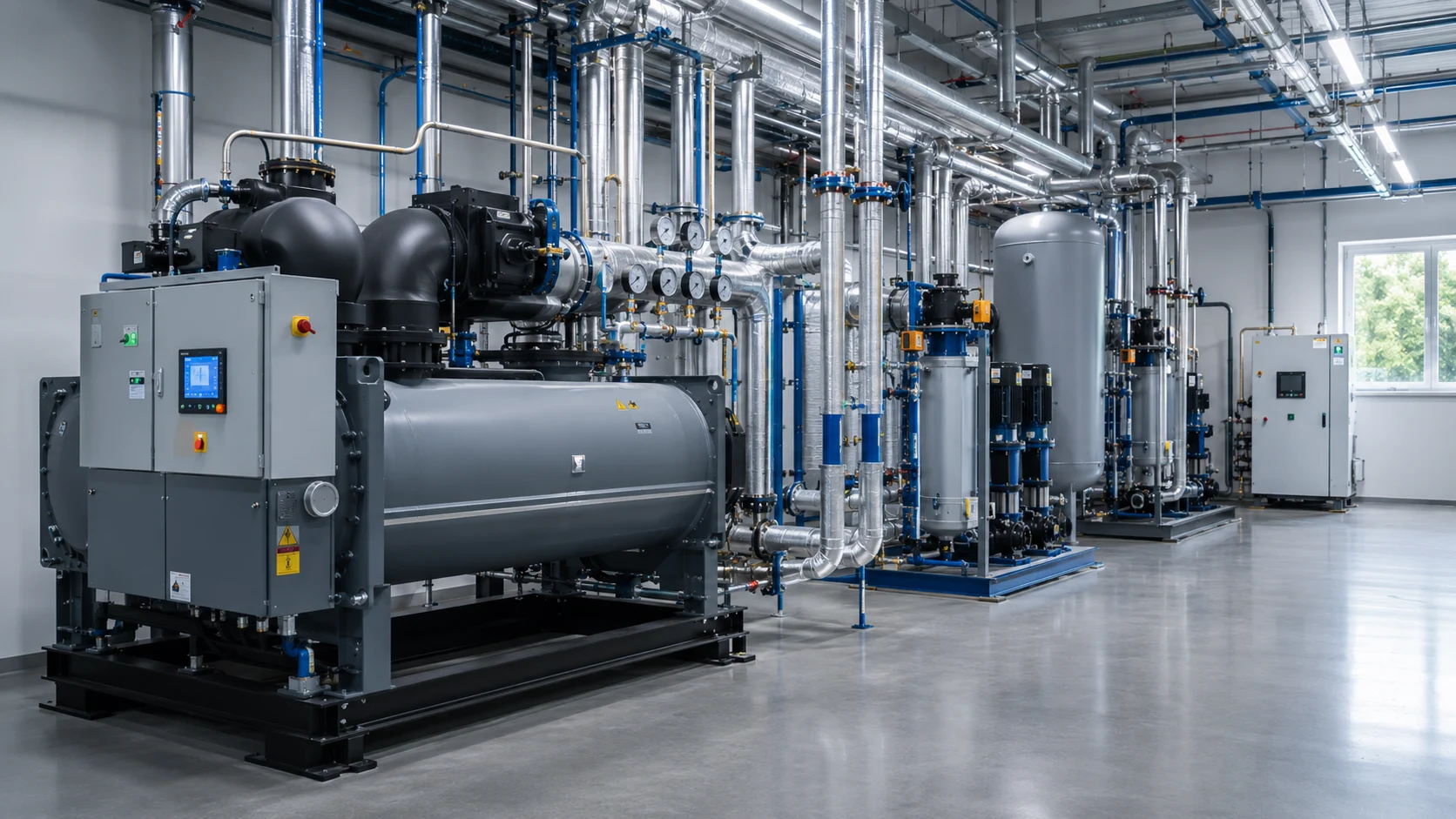
Process cooling
Chillers, process cooling systems, air handling units and auxiliary installations.
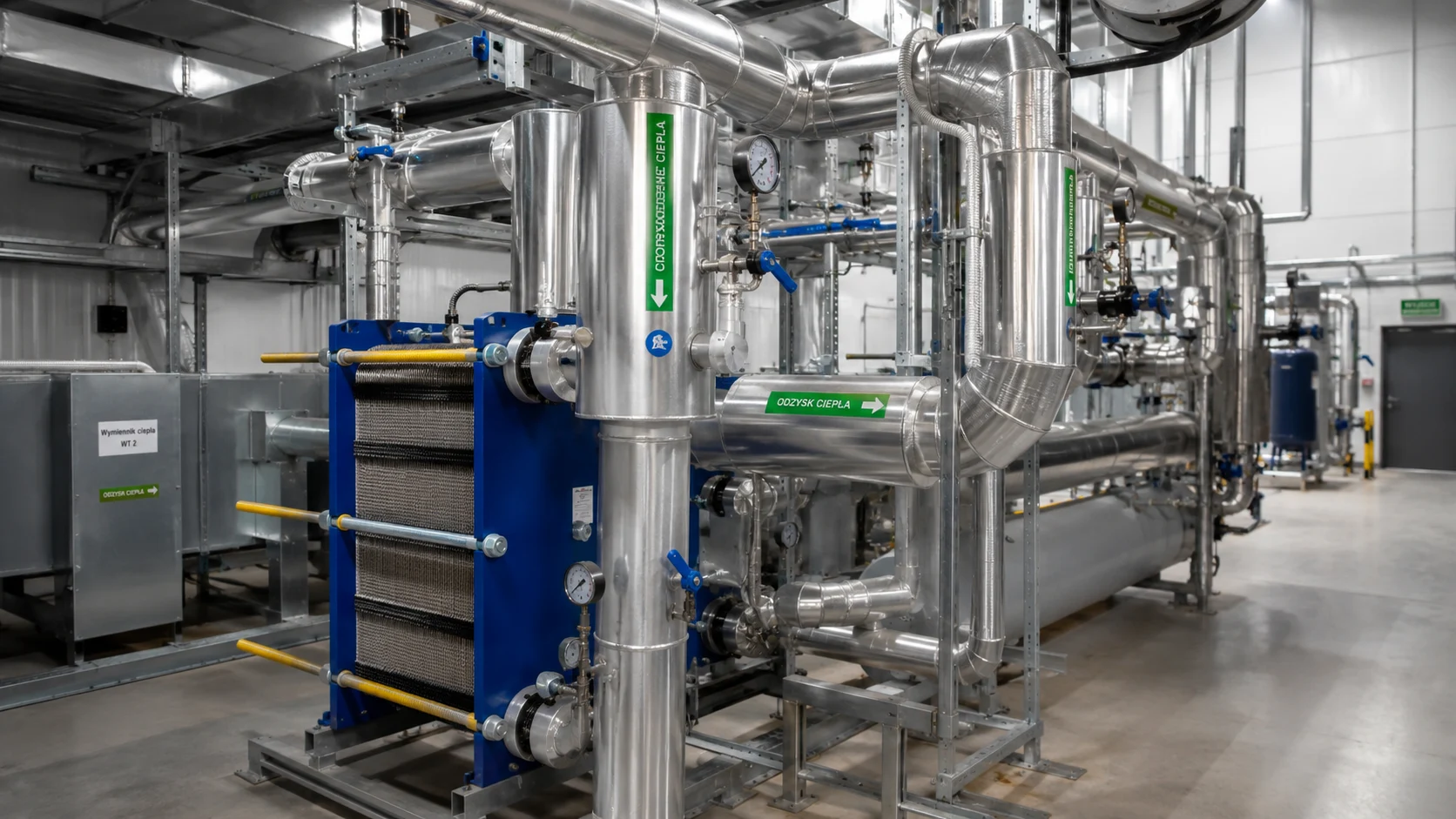
Heat recovery
Energy recovery from industrial processes, flue gases, cooling systems and compressed air.
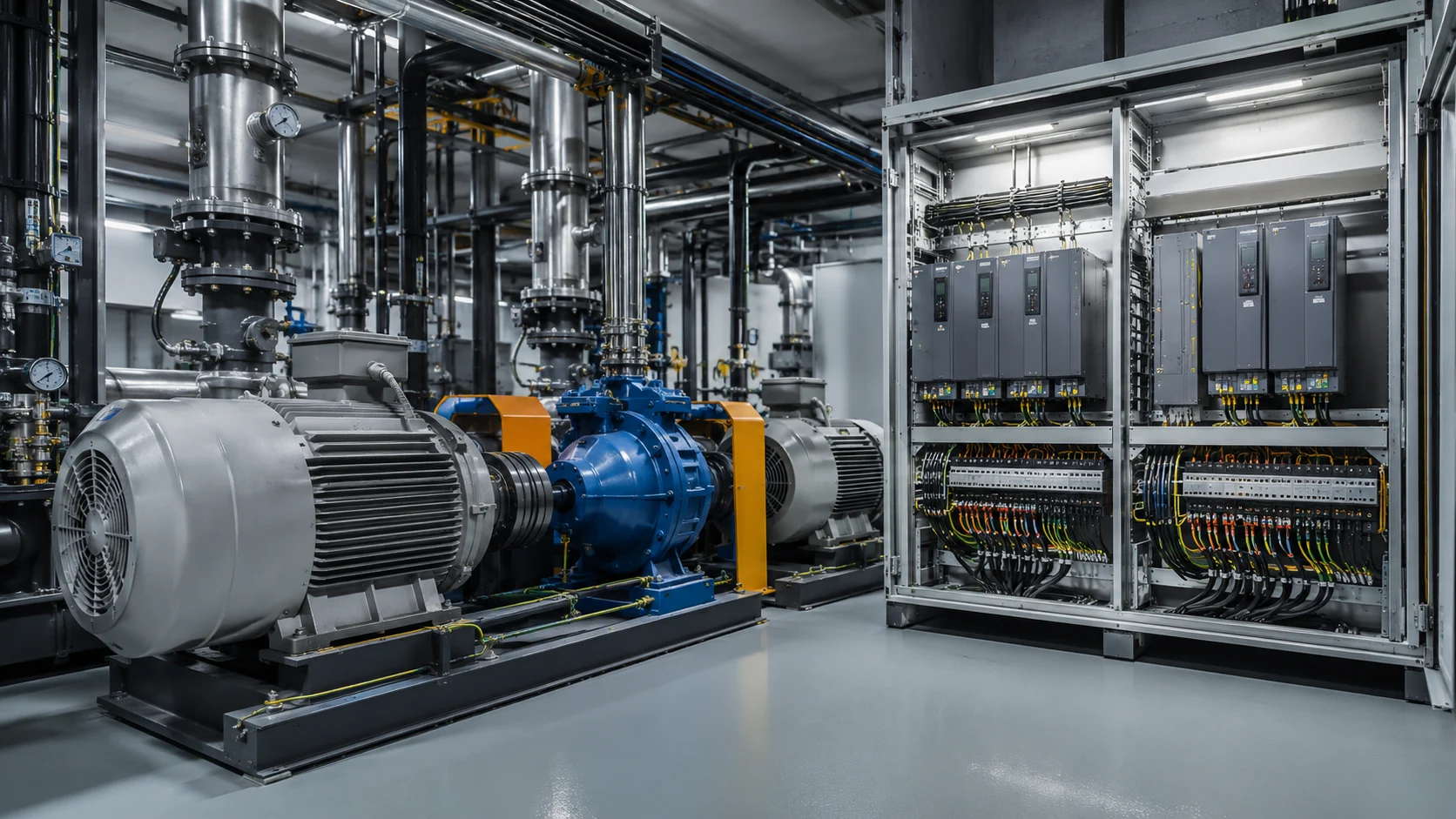
Electric motors and drives
Motors, variable frequency drives and upgrades to drive systems.
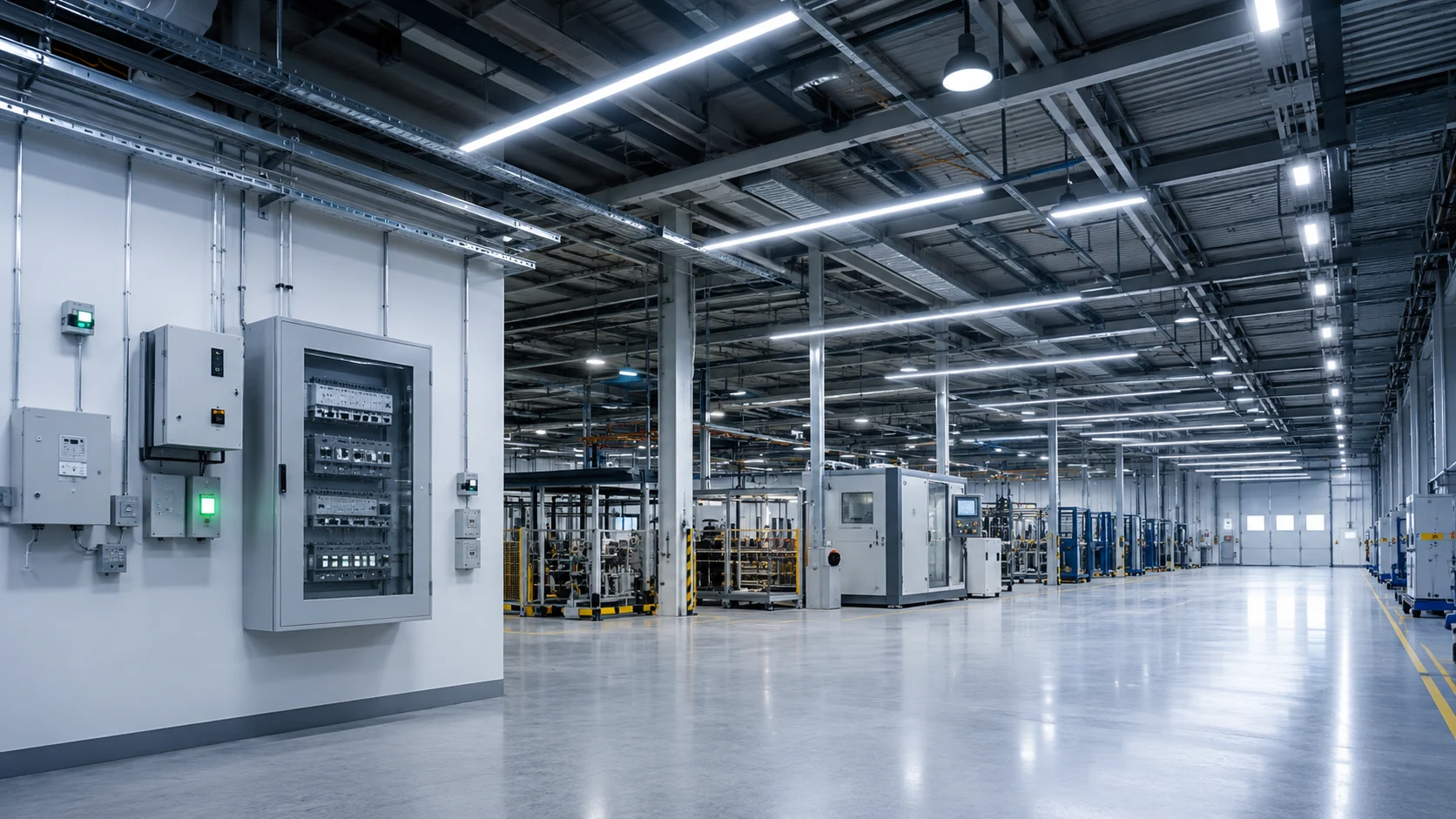
Lighting
Industrial, office and outdoor lighting, including controls and automation.
Don’t see your area listed? Describe your project and we’ll assess whether an energy efficiency audit is the right approach.
SERVICES OFTEN CONFUSED
How does an energy efficiency audit differ from other services?
An entire business ≠ a single upgrade. An energy efficiency audit quantifies the impact of one project, while Poland’s White Certificate scheme is a broader process in which such an audit may be used.
ENTIRE BUSINESS
Company-wide energy audit
SPECIFIC INVESTMENT
Energy efficiency audit
BROADER PROCEDURE
Polish White Certificates
ENTIRE BUSINESS
Company-wide energy audit
An assessment of the entire business to identify opportunities for improving energy efficiency.
CHOOSE THIS WHEN
You want to identify where your business could save energy.
COVERS
The entire organisation
OUTCOME
Energy-saving opportunities
SPECIFIC INVESTMENT
Energy efficiency audit
Calculation and documentation of the impact of a specific upgrade.
CHOOSE THIS WHEN
You have a specific project and want to quantify its results.
COVERS
One specific project
OUTCOME
Quantified energy impact
BROADER PROCEDURE
Polish White Certificates
A broader procedure in which an energy efficiency audit is one of the stages.
CHOOSE THIS WHEN
You want to take a quantified energy-saving result through the Polish White Certificate process.
RELATIONSHIP
The audit may form part of the documentation
OUTCOME
Certificates / funding
Still unsure which service you need?
Describe your project and we’ll recommend the right approach.
WHAT YOU RECEIVE
What is included in an energy efficiency audit?
The outcome of our work is an energy efficiency audit — a technical report presenting the project’s energy impact and how it was calculated. Its scope is tailored to its purpose: a grant, Polish White Certificates, an investment decision or verification of achieved results.
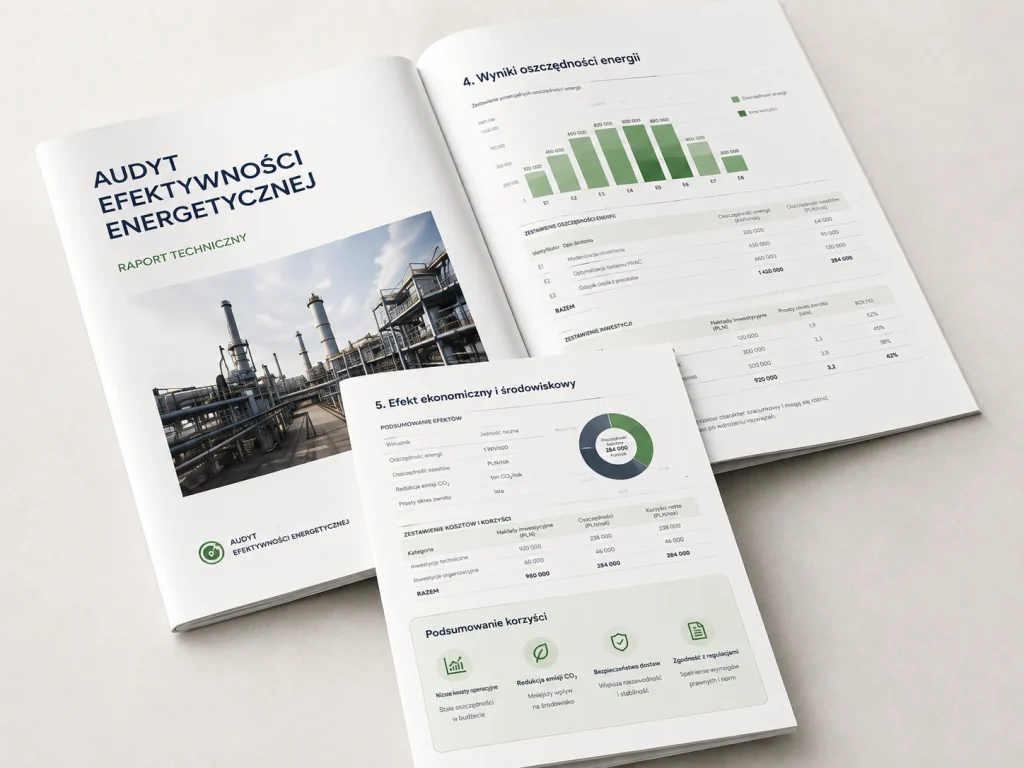
Energy impact of the investment
Demonstration of the investment's energy impact based on project-specific technical data.
Baseline and proposed conditions
Description of the existing and proposed conditions of the installation, process or technology.
Verification of assumptions
Verification of technical, operational and technological assumptions.
Calculation methodology
Methods and data used for the calculations.
Energy savings figures
Energy savings expressed in kWh, GJ, toe or other units required by the relevant procedure.
Economic and environmental impact
Assessment of the project's economic and environmental impact.
Documentation for the next stage
Documentation tailored to grant requirements, Polish White Certificates or another investment procedure.
We prepare audits that support the next stage of a project — technically, formally and in decision-making. However, a reliable assessment requires technical data, information on how the installation operates and often input from the investor, system operator or technology supplier.
Why Energy Trend?
Why commission Energy Trend to perform your audit?
An energy efficiency audit should be more than a formal attachment. It needs to present the project’s results reliably, substantiate the assumptions made and support the next step: a grant, Polish White Certificates, an investment decision or verification of the outcome.
At Energy Trend, we combine technical analysis with the audit’s practical purpose. We examine data, system operation, technical assumptions and project documentation, then present the findings in a form useful to the investor, management, funding body or subsequent procedure.
Verifying assumptions, not just reproducing a quotation
We do not rely solely on supplier claims. We check technical data, operating parameters, performance, operating hours and actual conditions at the site.
Working with the investor and technology supplier
Many projects require us to clarify information not just with the investor, but also with the equipment supplier, contractor or party making the offer. This ensures that the audit is based on realistic technical assumptions.
Technical analysis and procedural requirements in one report
We analyse the installation, process or technology while considering the audit’s intended purpose from the outset: a grant, Polish White Certificates, an investment decision or verification of results.
A report ready for the next step
The result is an energy efficiency audit — a report documenting the project’s energy, economic and environmental impact to the extent required by its purpose.
Our aim is not simply to 'calculate savings'. We prepare an audit that can actually be used in an investment, business decision or formal procedure.
HOW WE WORK TOGETHER
How an energy efficiency audit project works
Initial discussion and assessment of objectives
We establish what the project involves, why you need an audit and how far the investment has progressed. At this stage, a short description, available quotation, technical assumptions or as-built documentation will be sufficient.
Identifying the data needed for the audit
After the initial assessment, we specify the necessary information: technical documentation, system operating parameters, energy consumption data, operating schedule, baseline and proposed conditions, and materials from the technology supplier.
Technical verification and supplier consultation
In many projects, we need to speak not only with the investor but also with the equipment supplier, contractor or company proposing the technology. We need to understand the technical details, how the system operates, the assumptions behind projected savings and the project boundaries.
Site visit and measurements
A site visit is required as part of the audit, and measurements are often necessary as well. The measurement scope depends on the type of project, available data, procedural requirements and whether the results can be calculated reliably from the documentation.
Analysis and calculation of energy savings
We compare the existing and proposed conditions, analyse technical data, operating parameters and design assumptions. On that basis, we calculate the energy impact and explain the methodology used.
Preparing the audit and discussing the findings
We deliver the energy efficiency audit in a scope tailored to its purpose: a grant, Polish White Certificates, an investment decision or verification of results. If needed, we also discuss the findings and next steps.
An initial discussion can take place on the basis of basic information. However, a reliable audit requires technical data, cooperation with those responsible for the project and — in many cases — a site visit, measurements and contact with the technology supplier.
DATA REQUIRED FOR THE AUDIT
What information is needed to get started?
You do not need complete documentation for the initial discussion. A project description, the audit’s purpose and available documents are enough. Preparing the audit itself will, however, require technical, operational and design data.
Project or upgrade description
A short description of the planned, ongoing or completed project.
Purpose of the audit
Whether the audit is needed for a grant, Polish White Certificates, an investment decision or verification of results.
Supplier or contractor quotation
A quotation for the technology, equipment, installation or scope of work proposed by the contractor.
Technical documentation
Documentation of the equipment, installation, industrial process or area to be upgraded.
Data on existing conditions
Operating parameters, energy consumption, operating hours, load and the way the system is used.
Proposed or as-built data
Parameters of the planned or completed upgrade, including technical details and expected operation.
Technical and process information
Information from the investor, system operator, technology supplier or party making the offer.
Measurement data
Existing measurement results or confirmation that measurements will need to be taken.
Site visit and measurements
Information on whether a site visit and additional measurements will be required for the audit.
FAQ
Frequently asked questions
Brief answers to the questions
most businesses ask before contacting us.
Can’t find your question here?
Have a question
not covered here?

+48 532 499 000


Learn more about Poland’s
White Certificate scheme
What is an energy efficiency audit?
This is a technical report demonstrating the energy impact of an upgrade, installation, process or technology. It is not a company-wide assessment or a search for potential improvements: the audit focuses on one specific project whose impact must be calculated and documented.
When does a business need an energy efficiency audit?
Most commonly when the business is preparing documentation for a grant, Polish White Certificates, an investment decision or verification of results after project completion.
Is it the same as a company-wide energy audit?
No. A company-wide energy audit examines the entire business or a significant part of it and identifies improvement opportunities. An energy efficiency audit assesses one specific project and demonstrates its energy impact.
Is an audit needed to apply for a grant?
In many grant programmes, an energy efficiency audit may be a required or useful part of the application documentation. Requirements vary by programme, so they should be checked before submitting an application.
Is an audit needed for Polish White Certificates?
An energy efficiency audit may be a key part of the documentation for Poland’s White Certificate scheme because it demonstrates the project’s energy impact. It does not, however, replace project eligibility assessment, the procedure before Poland’s Energy Regulatory Office (URE) or the subsequent administration of certificates.
Do you perform ex ante and ex post audits?
Yes. We prepare audits both before project implementation and after completion. Their scope and requirements depend on the audit’s purpose, project stage and applicable procedure.
Do you always carry out measurements and a site visit?
A site visit is a standard part of an audit, but measurements are not always necessary. Their scope depends on the type of project, available data and procedural requirements.
What information is needed to get started?
A project description, the audit’s purpose and available materials are usually enough for the initial discussion. The audit itself will require technical, operational and design data.
Can you work from an existing technology supplier quotation?
Yes. A supplier’s quotation or technical description can provide a useful starting point. In many cases, we also need to contact the supplier, contractor or party making the offer to clarify technical and process assumptions.
What does the client receive after the audit?
An energy efficiency audit: a technical report demonstrating the project’s energy impact, in a form and scope matched to its purpose and the requirements of the relevant procedure.
Can you also support the next steps towards grant funding or Polish White Certificates?
Yes. If further assistance with grants or technical matters is needed after the audit, we can discuss the next stage of cooperation. The scope is agreed individually.
Didn't find your answer? Tell us about your project and ask about an audit.
Send us your project details — we'll outline the scope and provide a quotation
Complete the form and describe the project to be audited. You do not need full documentation for the initial enquiry — a brief description, available materials and the intended use of the report are sufficient. Tell us about your planned upgrade. We will make an initial assessment of whether the project may qualify for Polish White Certificates and what its business value could be. You do not need complete technical documentation — a short description of the investment is enough.


+48 532 499 000

+48 881 554 655

audytor@energytrend.pl

Your data is secure. We respond within 1 business day.