Since the dawn of history, people have stored supplies to survive difficult periods, such as long, harsh winters, and to manage stored goods efficiently by preventing them from spoiling. This practice covered not only food but also fuel needed to heat homes in winter. Traditional rural households also prepared various preserved foods, including fermented, pickled and dried products. Farmers stored potatoes in specially prepared clamps to ensure access to these valuable tubers throughout the year. The same approach was used to secure feed for livestock and seed material needed for the next growing season.
Stockpiling as a natural human instinct
The instinct to put “something aside for later” is deeply rooted in human nature. It applies not only to food, money or other material goods that may prove useful in the future, but also to everyday items. Guided by foresight and planning, people try to shop in a way that ensures they always have sufficient supplies, improving efficiency and avoiding unnecessary stress caused by possible shortages. One simple example is the absurdity of going to the shop every day just to buy coffee. Such behaviour not only wastes time but also reduces everyday convenience, highlighting the value of foresight and planning in daily life.
Energy storage as a path to energy independence
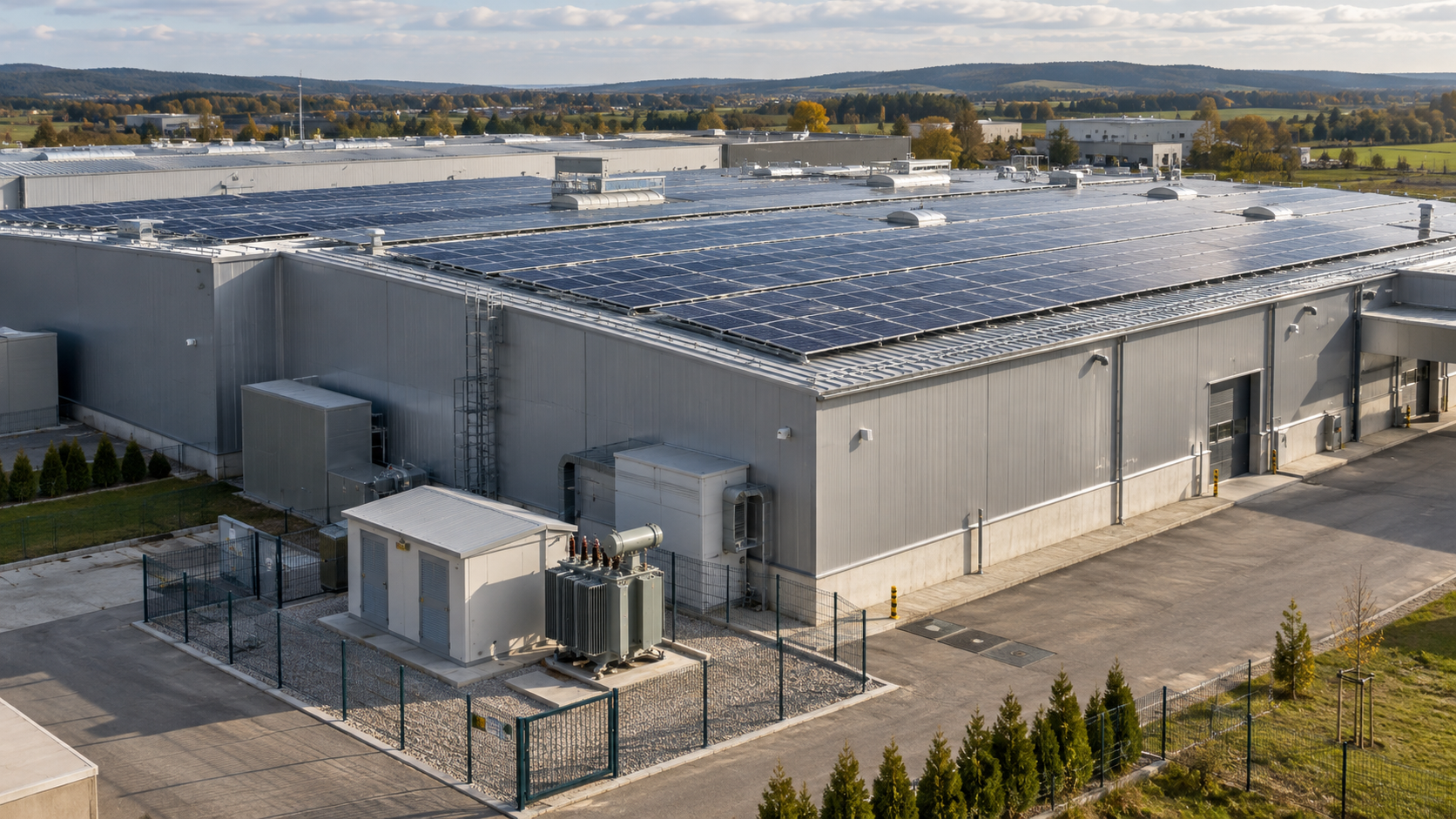
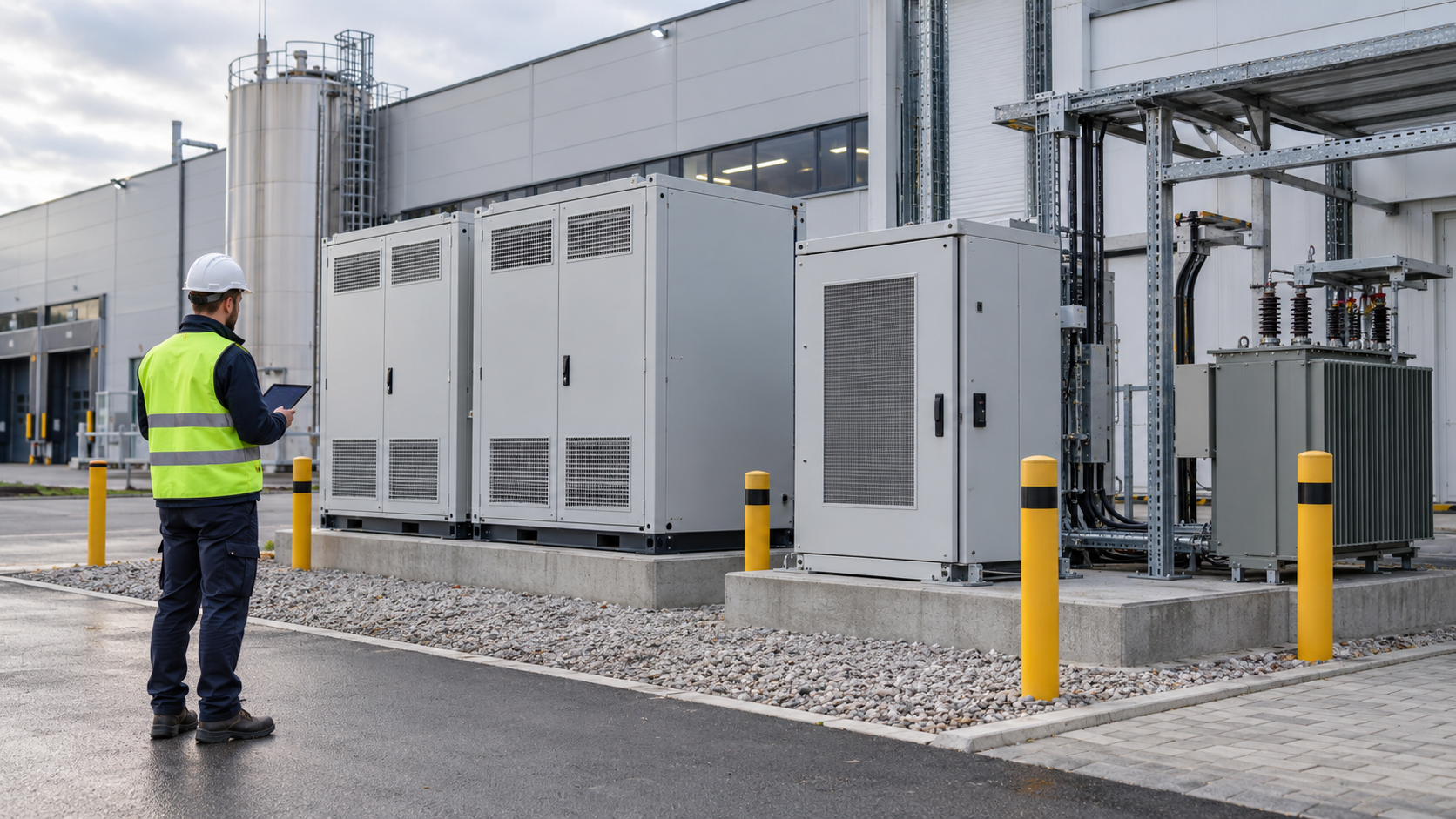
Thanks to technological progress, modern society can apply the principle of stockpiling to energy as well. Many households and businesses choose to install photovoltaic panels, allowing them not only to generate electricity for their own use but also to store surplus energy. This approach is particularly important in the face of rising energy prices and the pursuit of energy independence. Energy storage systems operating on a principle similar to power banks make it possible to store generated energy and use it when it is needed most, which translates into substantial savings and improved energy efficiency.
Companies whose operating profile includes, for example, night work can derive particular benefits from energy storage. Such systems make it possible to maximise the use of energy generated during the day (or at weekends, when energy demand is lower). This can provide valuable support under unfavourable electricity tariffs, during periods of increased energy demand and in emergency situations.
Planning and sizing energy storage systems
The planning and sizing of energy storage systems is essential to optimising the use of energy resources and ensuring power grid stability. The first step is a detailed analysis of the energy consumption profile and identification of needs and objectives, such as increasing energy independence, stabilising supply or integrating renewable energy sources. Local conditions and legal regulations that may influence the choice of storage technology should also be taken into account.
It is also important to carry out an economic analysis covering investment costs, operating costs and the potential savings resulting from implementation of the system. Finally, integration of the storage system with the existing energy infrastructure must be carefully planned to ensure optimal interaction with the grid and minimise energy losses. Together, these steps form a comprehensive process that requires an interdisciplinary approach and cooperation between specialists from different fields so that the energy storage system is efficient, economically viable and environmentally sustainable.
Energy storage feasibility audit
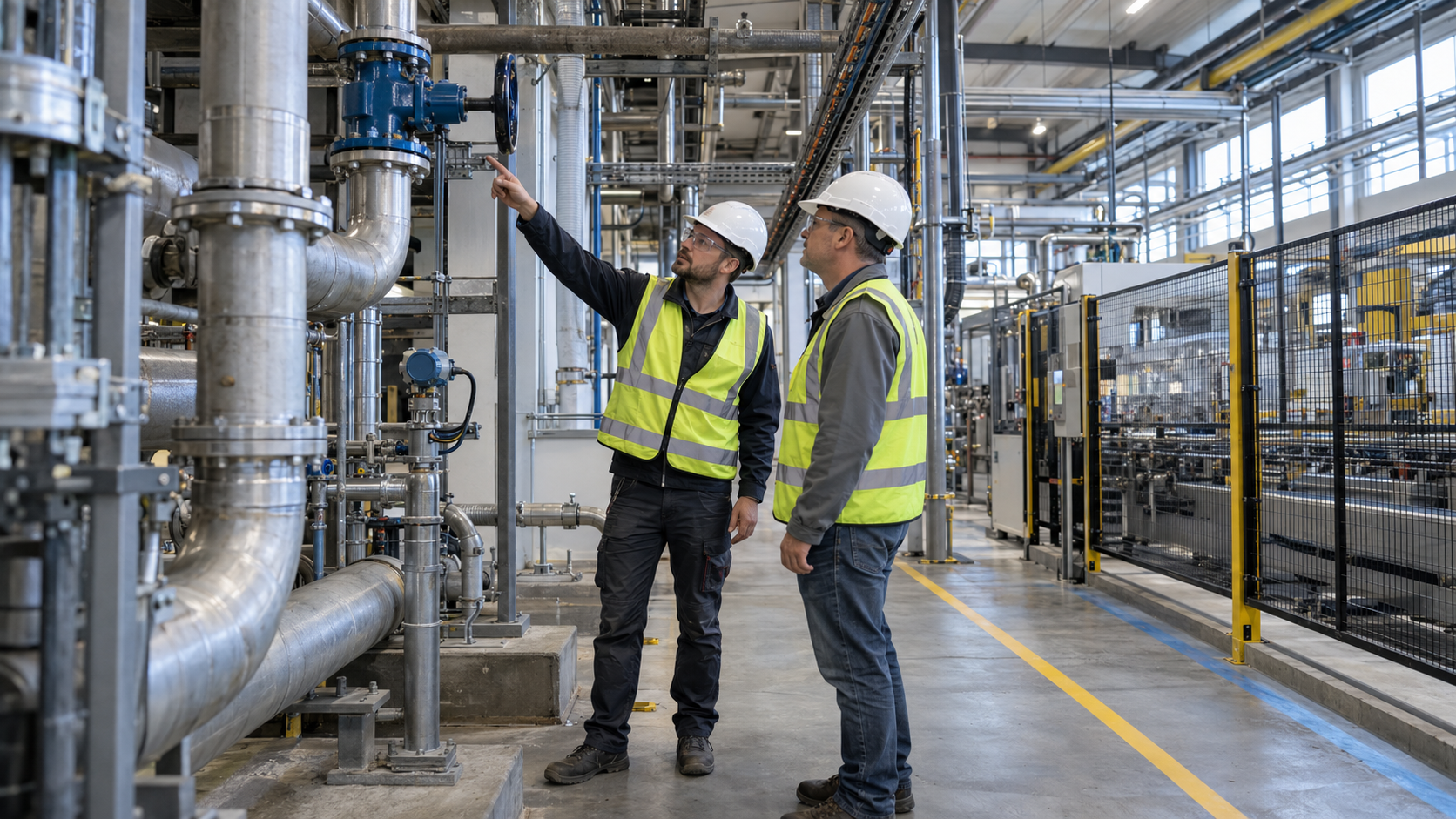
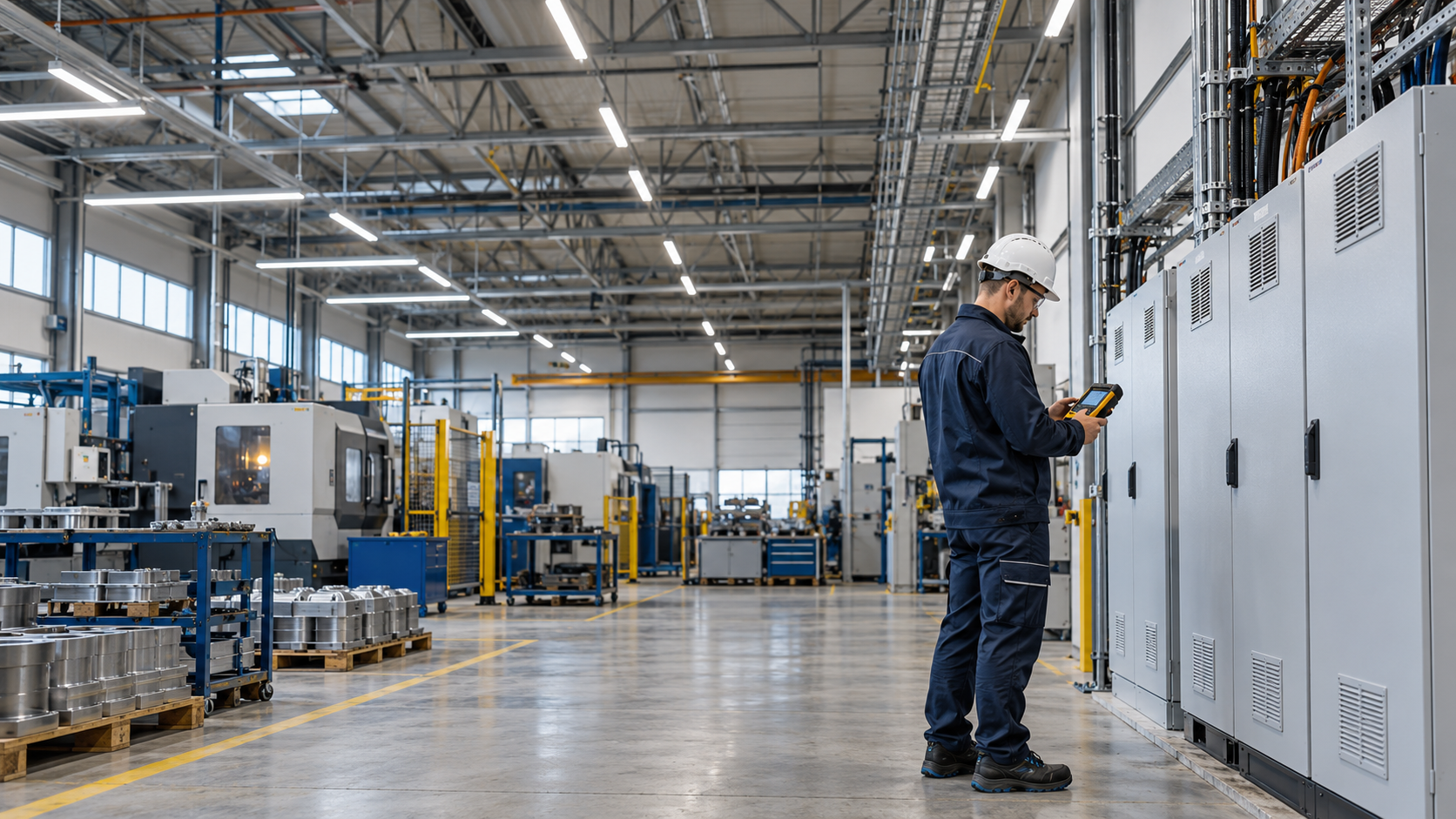
An energy storage feasibility audit is an important part of assessing and optimising energy use in businesses, including when considering the deployment of energy storage systems. Such an audit enables a detailed analysis of the energy consumption profile, identification of sources of losses and determination of potential areas for improving energy efficiency. An energy storage feasibility audit helps determine how and where storage systems can deliver the greatest benefits. Analysis of the audit data makes it possible to match the energy storage technology precisely to the specific needs of the facility, such as load stabilisation, reducing energy costs during peak-demand periods or improving the integration of renewable energy sources.
Furthermore, the audit provides the information required to assess the profitability of investing in energy storage systems and enables their integration with existing infrastructure to be planned optimally. As a result, it provides a basis for informed investment and operational decisions that improve energy efficiency and deliver economic and environmental benefits for the business.