Improving energy efficiency is crucial for any company seeking to reduce energy costs while making its operations more environmentally responsible. To achieve these goals, a good starting point is to develop an energy strategy. You can read more about this here.
Steps to improve energy efficiency in a company
Optimising electricity costs is the first key step in improving a company’s energy efficiency. Verifying that distribution tariffs and contracted capacity are selected correctly makes it possible to adjust these parameters to the company’s actual needs, which in turn reduces electricity purchase costs.
To assess the company’s energy profile accurately, it should be analysed and checked against actual energy consumption. It is also worth reviewing reactive power and, where necessary, considering reactive power compensation. This process can contribute significantly to reducing electricity distribution costs.
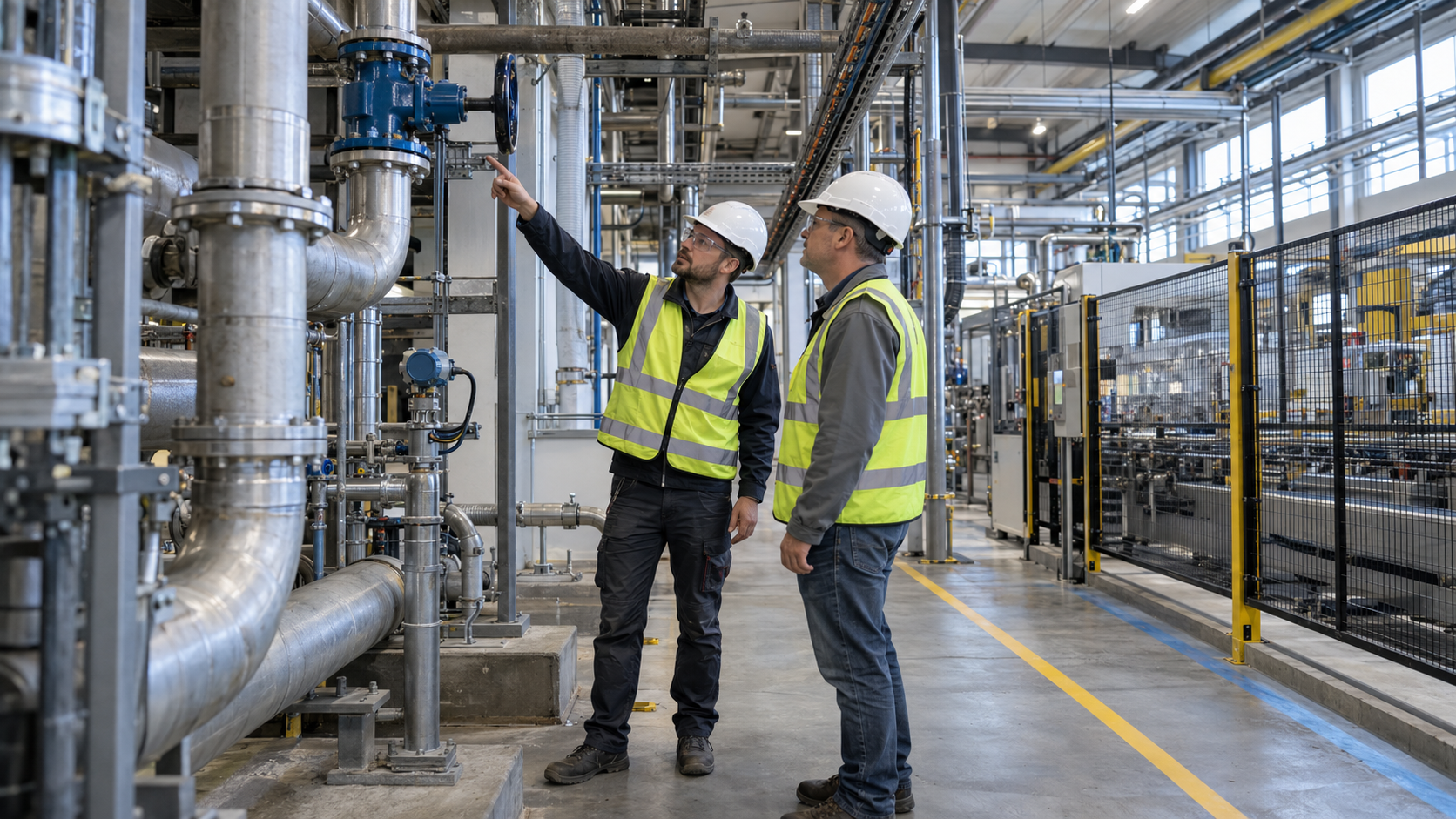
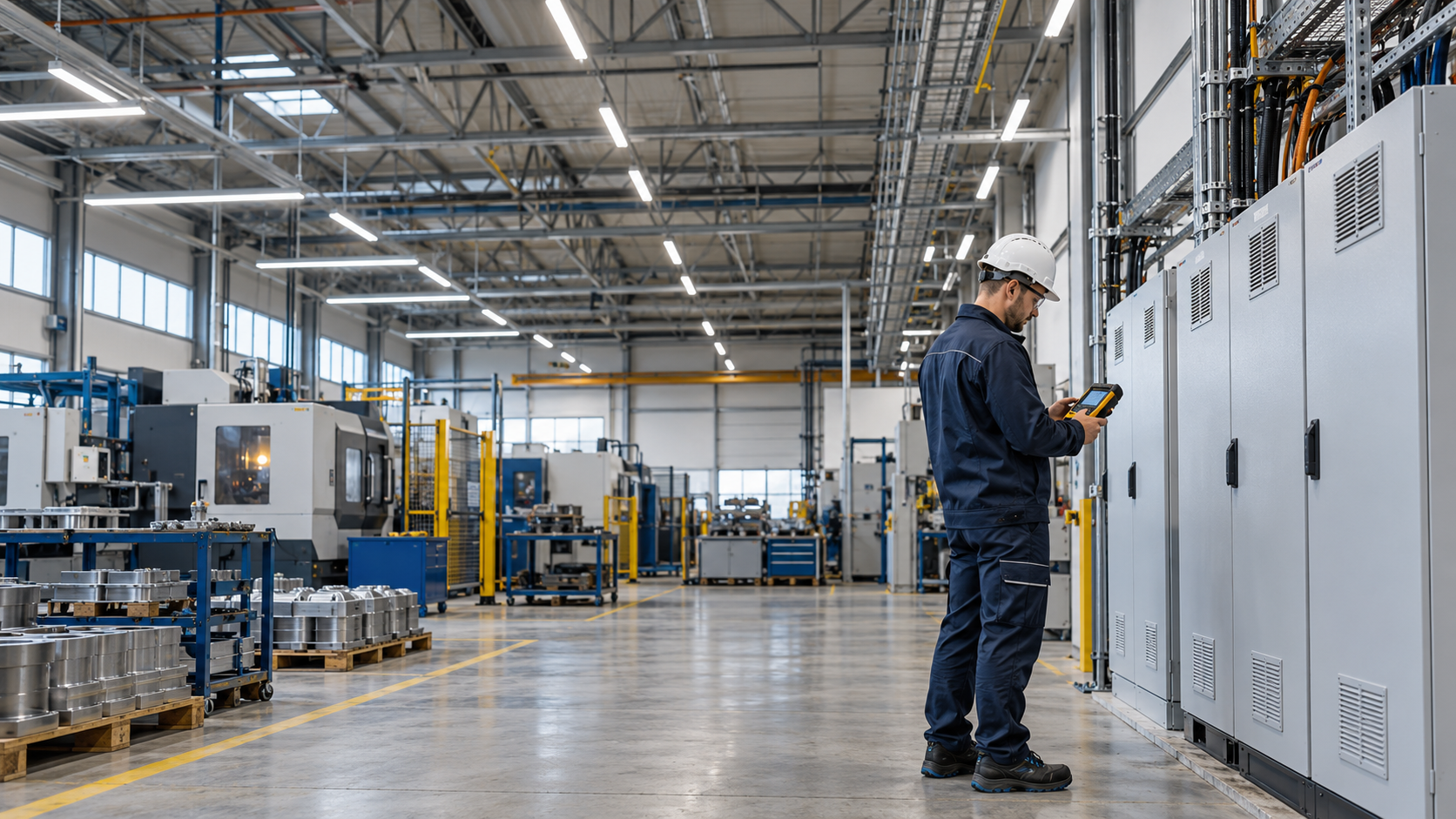
Once electricity costs have been optimised, the next step is to focus on analysing the energy efficiency of the systems operating at the site. Only a thorough, professional analysis makes it possible to select the best solutions and tailor them to the company’s individual needs and requirements. This first requires a detailed assessment of how the systems operate and how efficiently they perform. Tools such as energy monitoring and an energy audit can be used to identify areas where energy is being used inefficiently. The next step is to upgrade and modernise existing systems, for example by replacing light sources with more energy-efficient alternatives, introducing control and automation, or replacing inefficient equipment with newer, more efficient units.
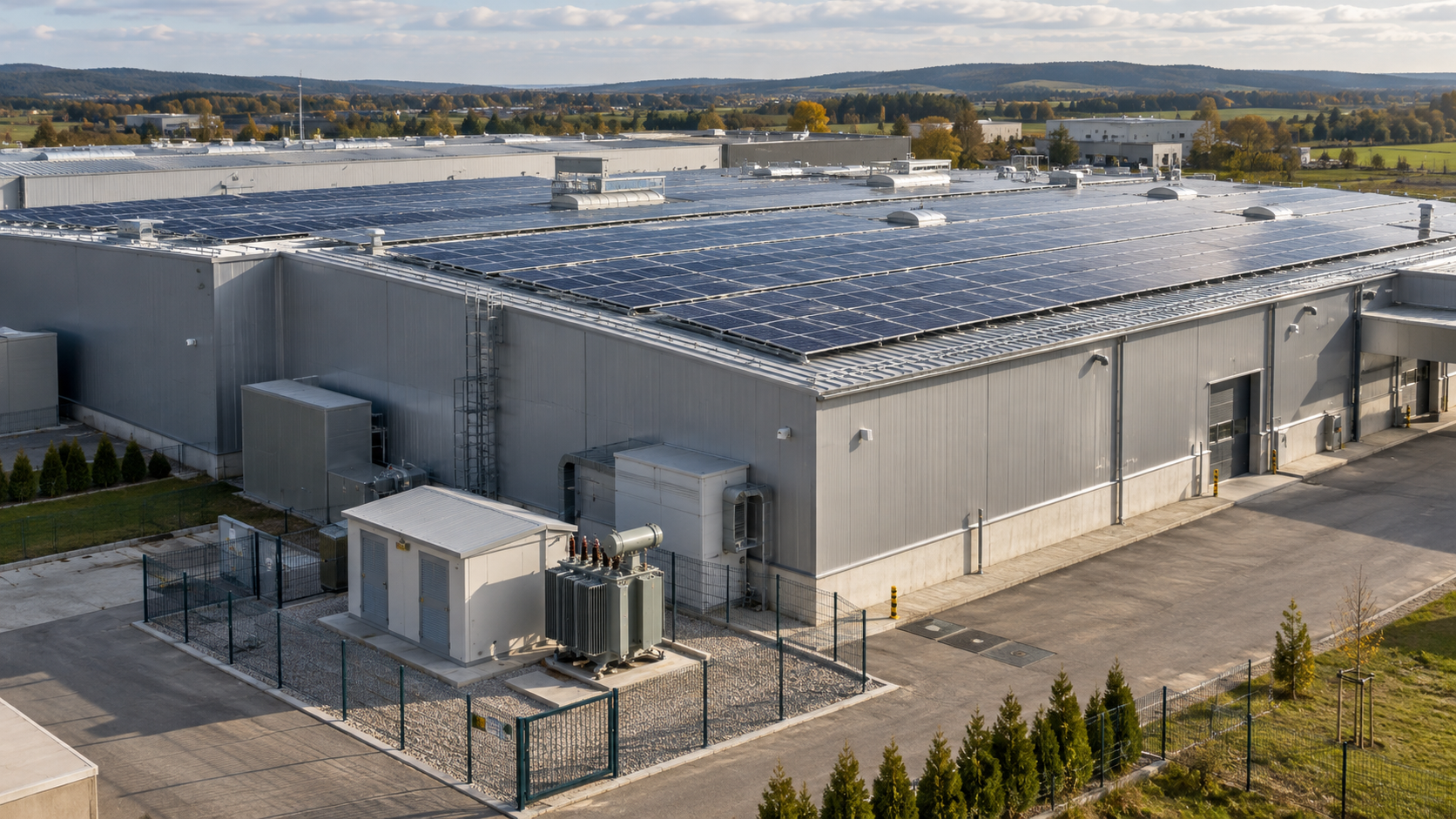
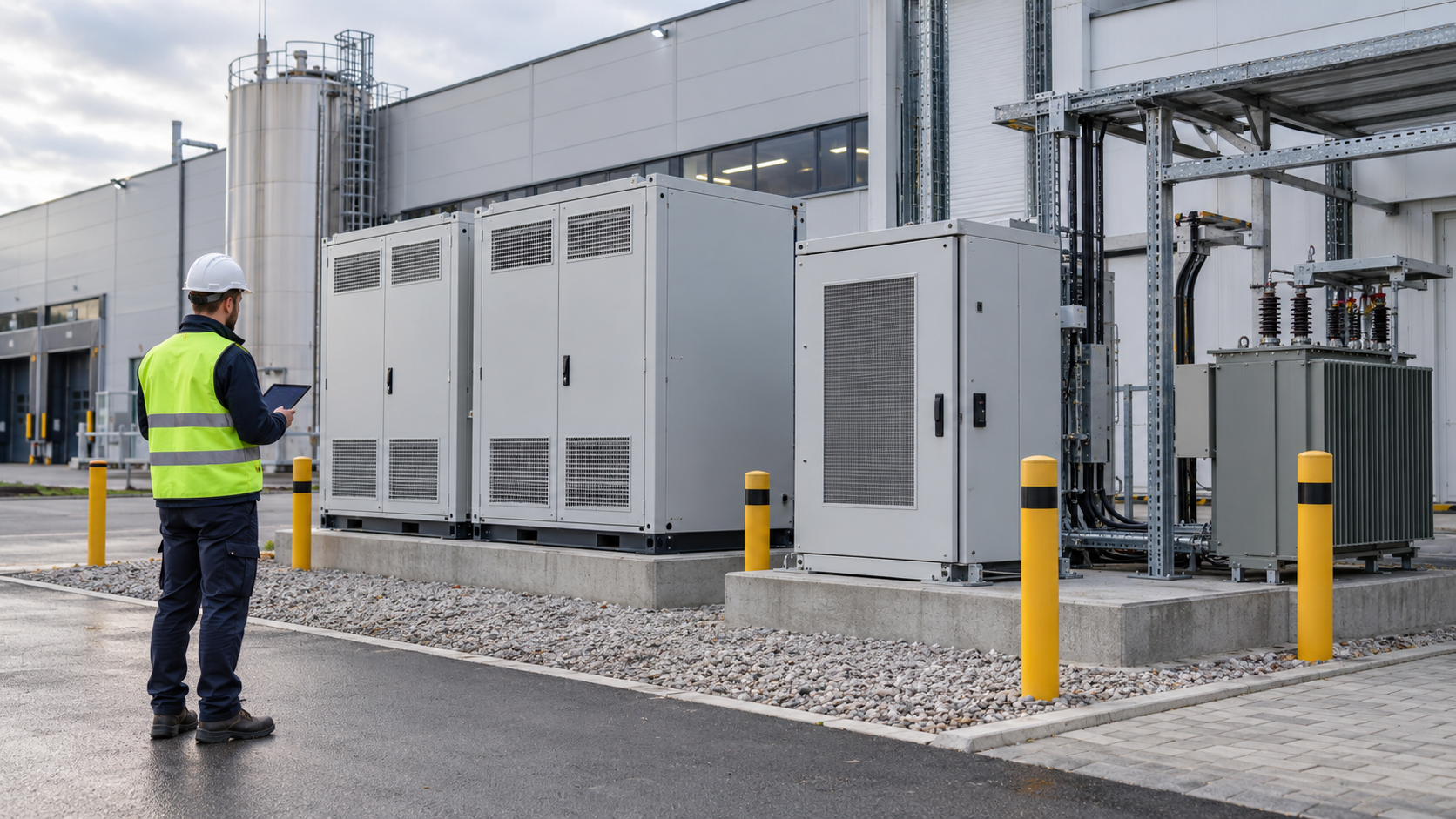
Optimising electricity costs and improving energy efficiency are important, but a company should also consider its energy security and independence. The final stage should therefore include an assessment of these areas and of whether modern solutions such as cogeneration, photovoltaics or energy storage can be implemented. It is worth emphasising that only correctly selected parameters and the right implementation sequence will deliver the expected results. These additional measures will not only deliver further savings, but also improve energy efficiency and increase independence from external energy suppliers.
Why use an energy efficiency expert?
An energy efficiency expert can provide specialist knowledge and experience that help a company obtain the greatest possible benefit from the available solutions. An energy auditor can help identify the best opportunities to optimise electricity costs and coherently integrate solutions such as cogeneration, photovoltaics or energy storage when modernising the company’s energy system. The expert can also support the verification of distribution tariffs and, in particular, the selection of contracted capacity, which is usually considerably oversized. Extensive experience also helps avoid errors that may lead to unnecessary costs. Ultimately, working with an expert can deliver significant savings while improving the company’s energy security and independence.
In summary, improving energy efficiency in a company is a long-term process that requires commitment and planning. Consistent implementation of the strategy, however, can deliver significant financial savings and have a positive environmental impact.