Quick contact   ·   energy consulting for industry and institutions

Energy Trend Knowledge Base

Practical articles on energy audits, energy costs and modernisation — written by Energy Trend’s auditors and engineers.

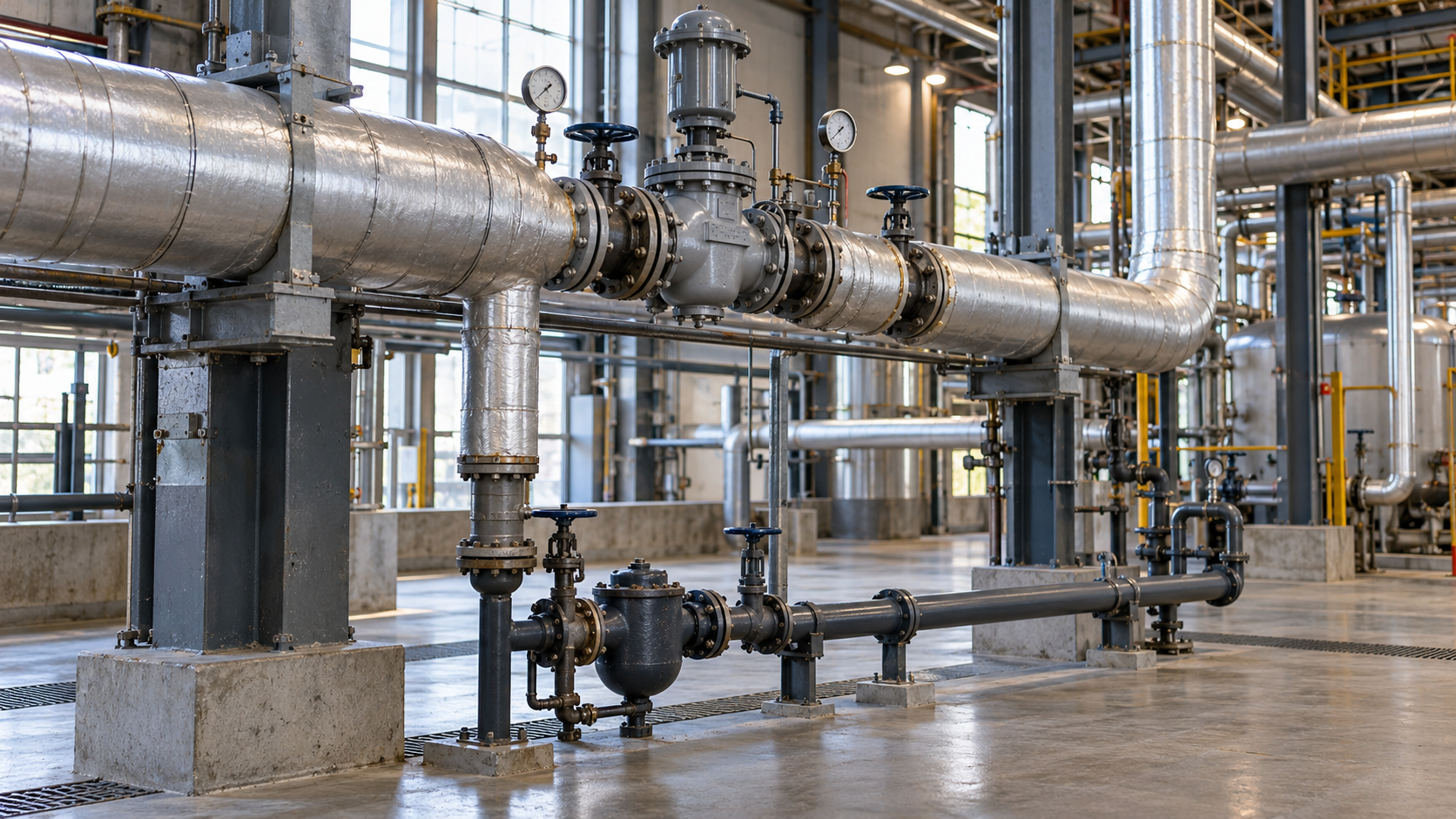
Industrial process steam installation with insulated pipes, a pressure-reducing station and a condensate drainage system.

Process steam system – design, condensate and energy security

Designing a process steam system starts with assessing the demand of all steam users, not selecting a pipe diameter. We explain how to approach pressure, condensate drainage and return, and safety requirements. We also outline what data to collect before an upgrade and how to

Read the article →

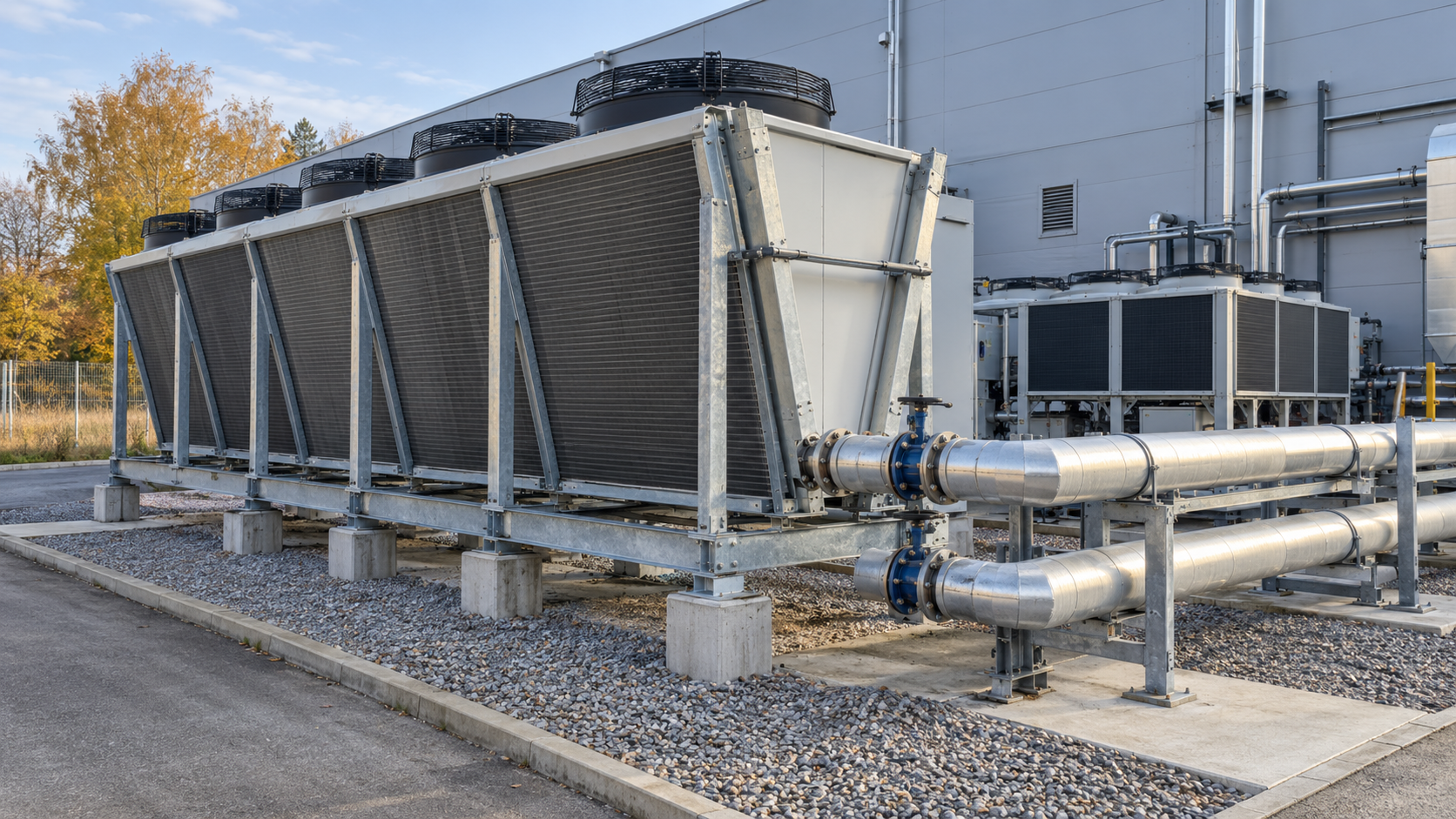
Industrial dry cooler for a free-cooling system, with axial fans and insulated pipework next to a production hall.

Free cooling in industry: when can it reduce chiller operation?

Free cooling can reduce compressor operation in industrial chilled-water systems, but only when temperatures and load profiles are suitable. We explain the difference between full and partial free cooling and how pumps, fans and glycol affect the energy balance. Find out which data and measurements

Read the article →

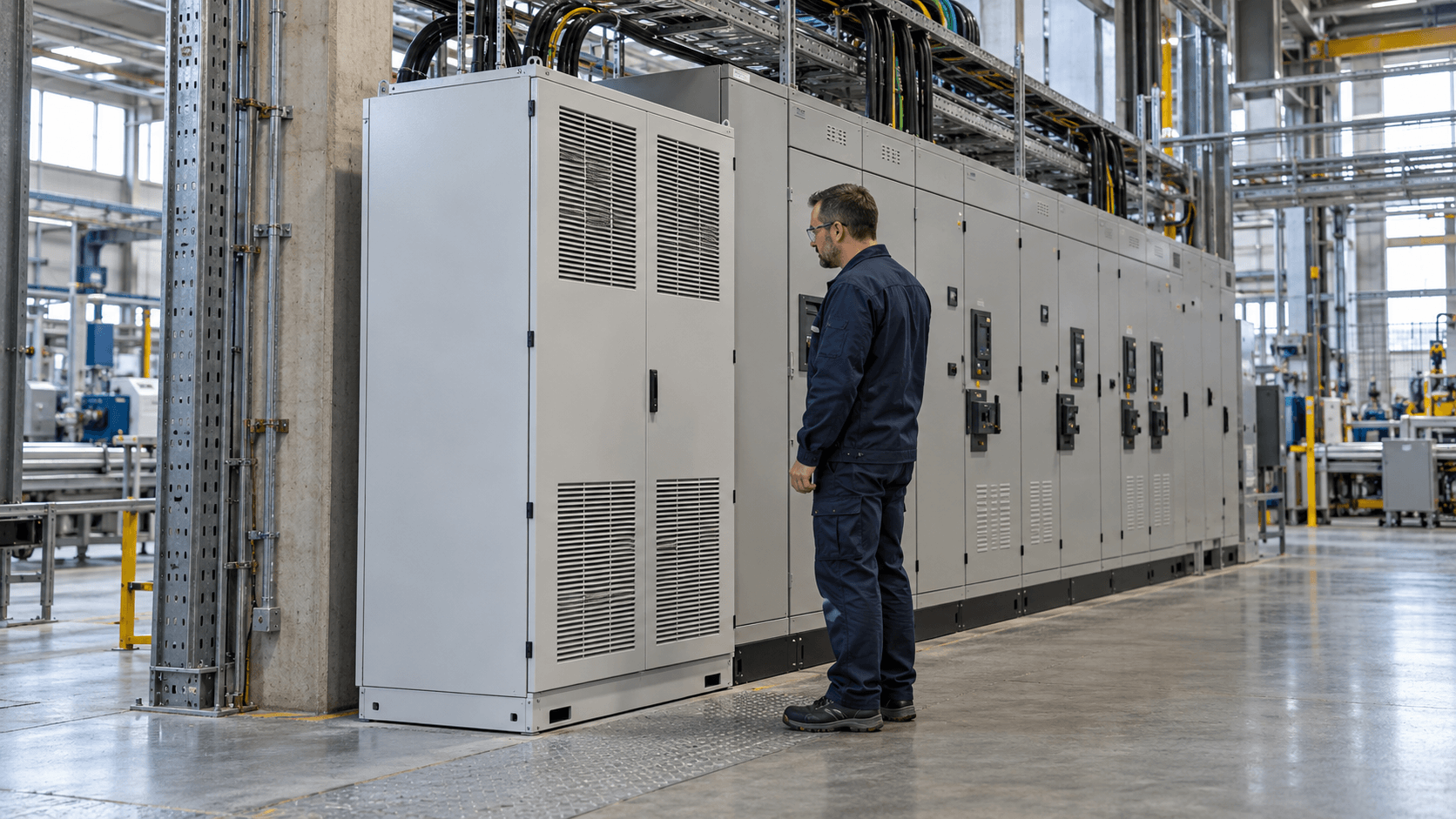
Technician inspecting an active harmonic filter cabinet beside an electrical distribution board at an industrial plant.

Harmonic filters – when to use an active filter and when to choose another solution

Harmonic filters can reduce current distortion, but proper selection requires measurements and an assessment of the electrical network. This article compares active and passive filters, reactors and drive-side solutions. It explains what data to collect before purchasing, how to compare proposals and how to verify

Read the article →

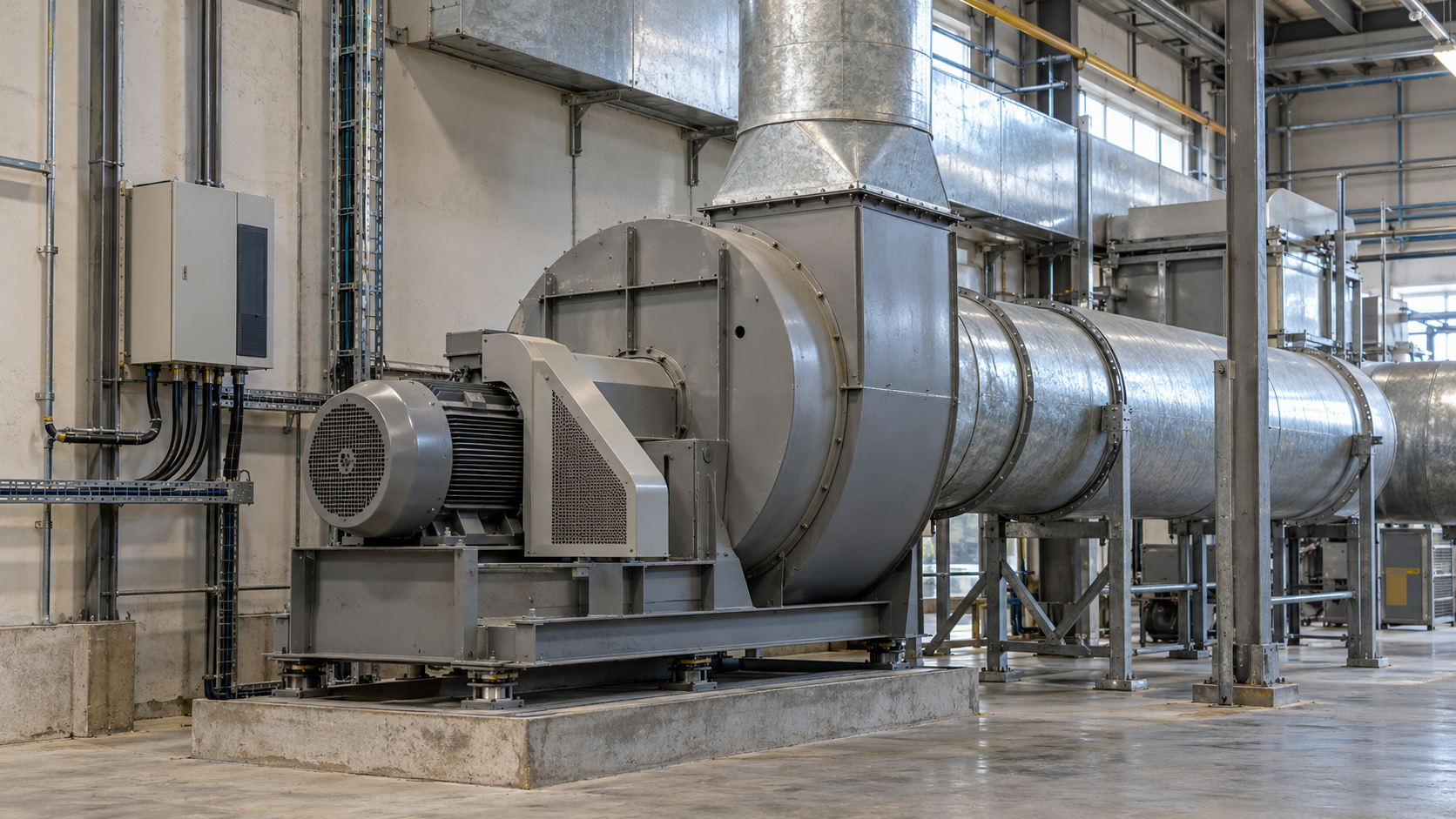
Industrial centrifugal fan with an electric motor, ventilation ducts and a VFD control cabinet in a plant utility room.

Variable Frequency Drive for Fans: Selection and Savings

A variable frequency drive can reduce a fan's energy consumption when air demand varies over time. Before upgrading, compare the fan curve, system resistance, power profile and minimum safe airflow. This article explains how to calculate savings and verify them through measurements.

Read the article →

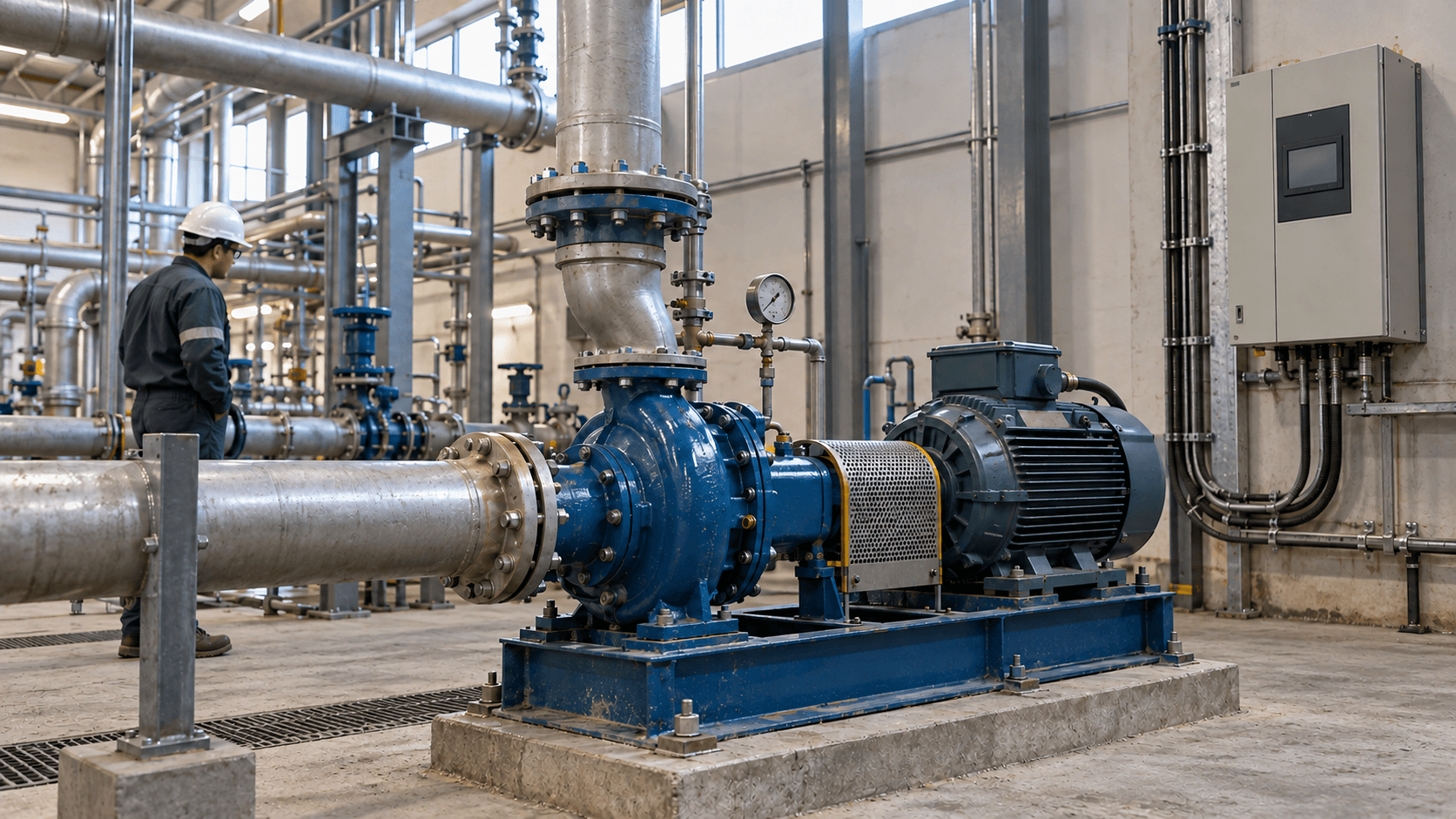
Centrifugal pump with an electric motor and VFD control cabinet in an industrial pump room.

Variable-frequency drive for a pump – when does it actually reduce energy consumption?

A variable-frequency drive (VFD) can reduce a pump system's energy consumption when flow demand varies and has previously been controlled by throttling or a bypass. The outcome depends on the system curve, the share of static head and the efficiency of the pump, motor and

Read the article →

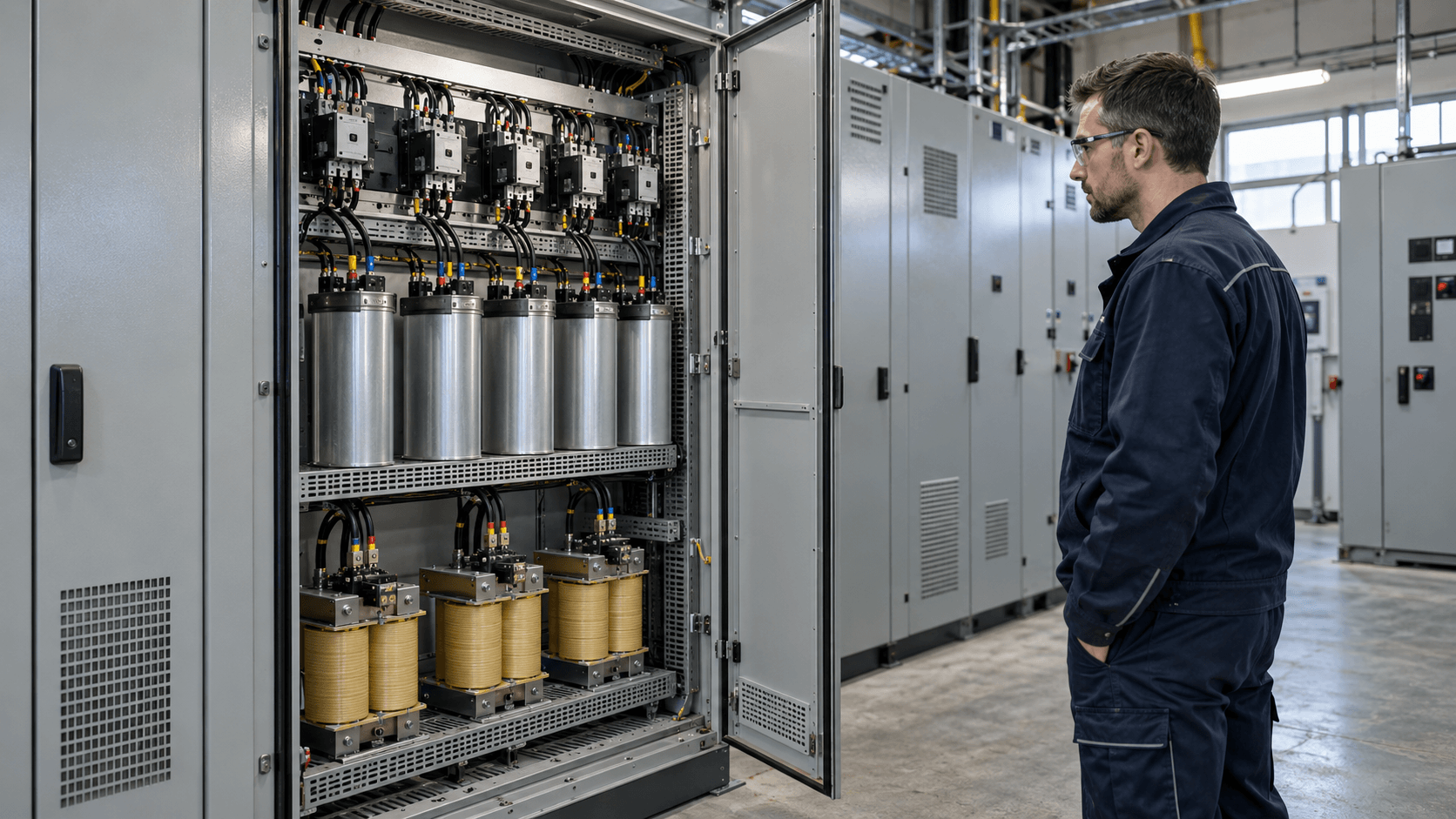
An auditor inspecting a reactive power compensation cabinet with capacitors and reactors in an industrial electrical room.

Capacitive reactive energy: what causes it and how to reduce charges

Capacitive reactive energy can generate additional electricity distribution charges even when a plant is shut down. Learn how to identify these charges on an invoice, analyse P/Q profiles and trace the source within the installation. We explain when adjusting settings may be enough and when

Read the article →

A specialist using diagnostic equipment near inverters and photovoltaic panels on the roof of an industrial facility.

Reactive Energy and Solar PV – Why Charges May Appear After Installation

Solar PV can reduce active energy drawn from the grid and thereby change how reactive energy is billed. We explain how to distinguish the effects of the inverter, existing power factor correction and the site's operating profile. We also outline which P/Q data and invoices

Read the article →

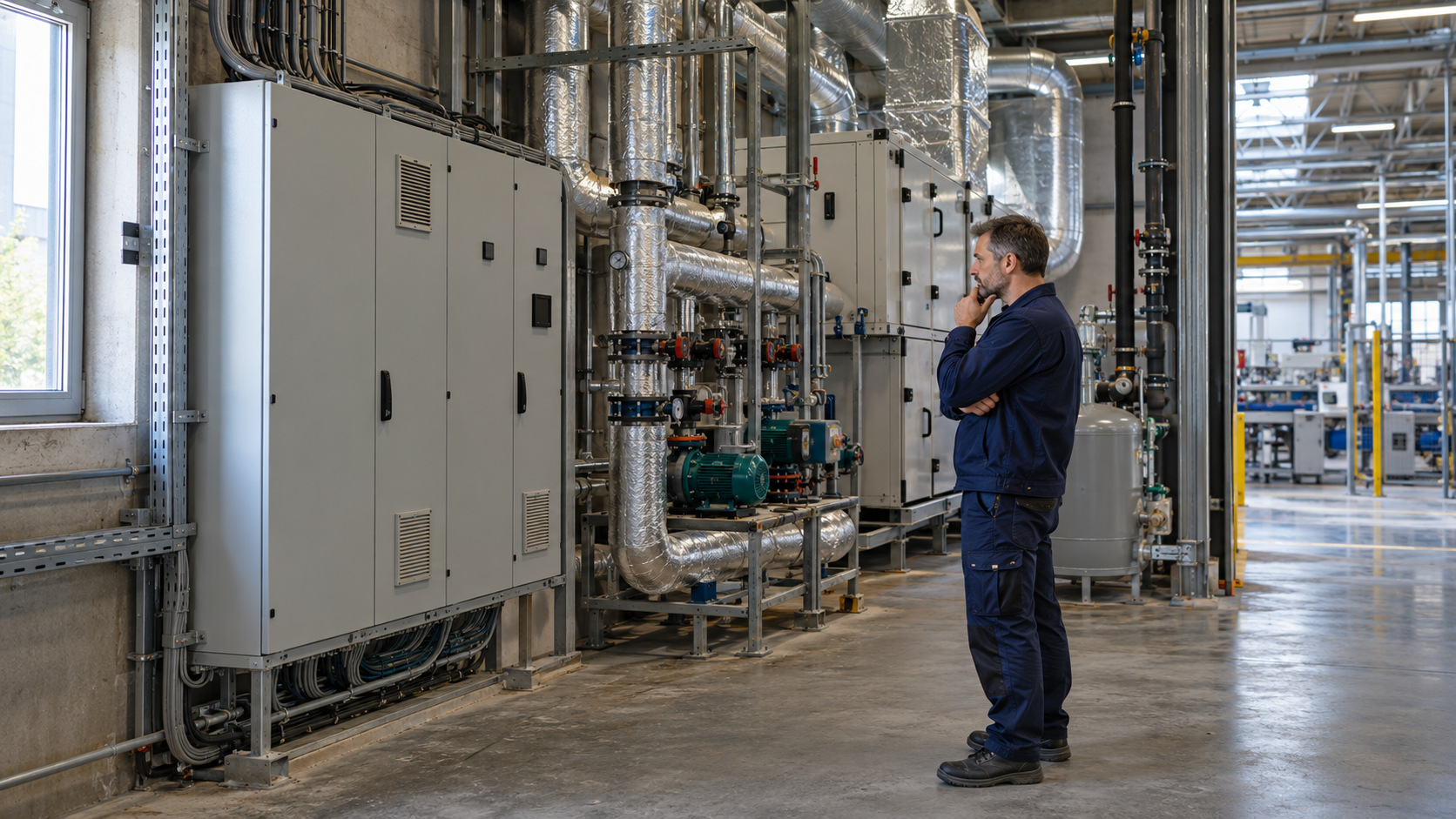
Energy specialist beside an automation control cabinet and electricity meters in an industrial facility.

EMS vs BMS – how the systems differ and how to integrate them in an industrial facility

EMS and BMS can work together, but they handle different aspects of an industrial facility. We explain where SCADA fits, what data and protocols are needed, and how to respect control boundaries. A ventilation example shows when integration can support a specific energy-related decision.

Read the article →

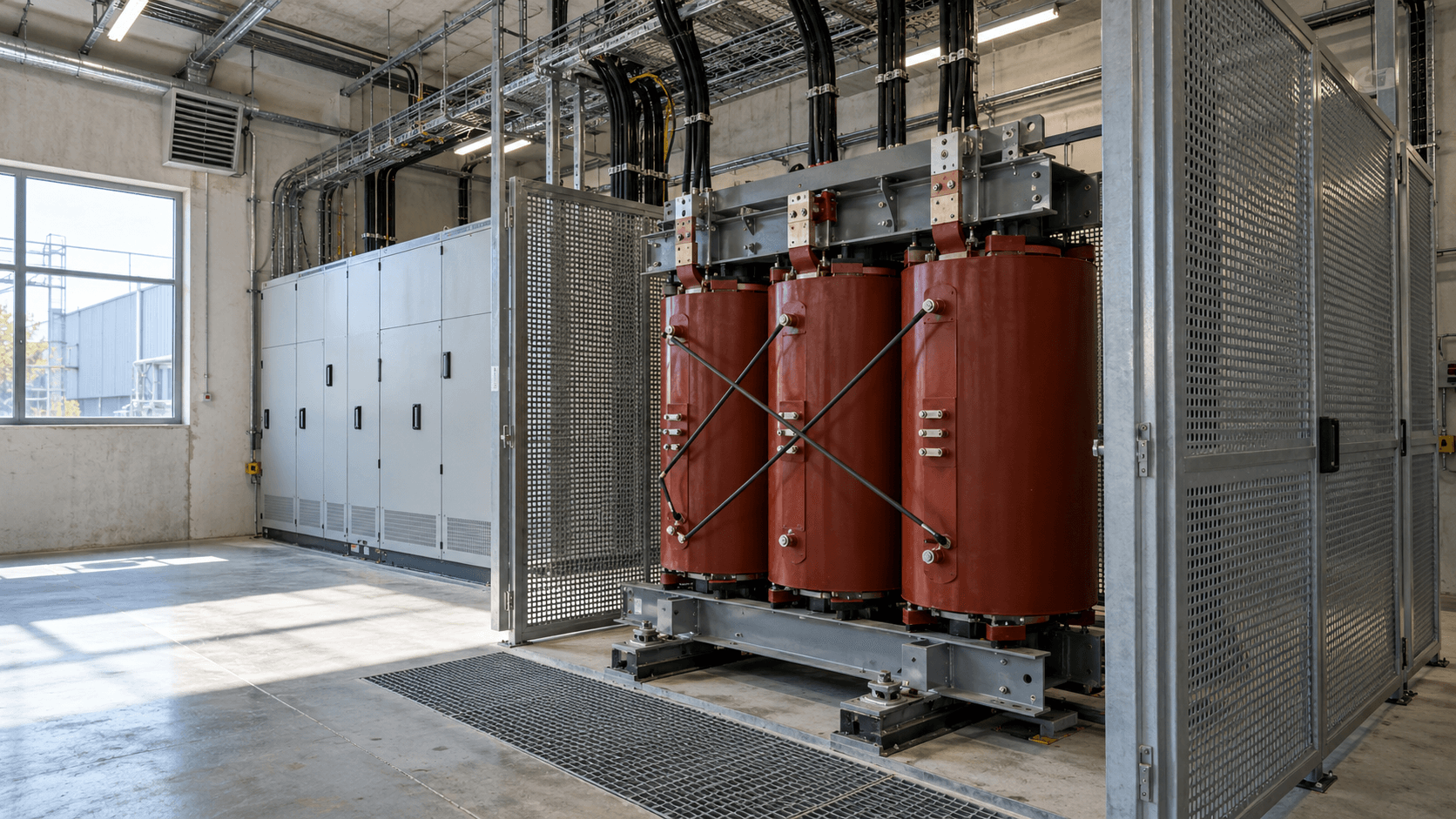
Three-phase dry-type transformer at an industrial plant's MV/LV substation, beside electrical switchboards and cable routes.

Transformer sizing for an industrial plant – capacity, loading and reserve

Sizing a transformer for an industrial plant requires assessing actual apparent power, not merely adding up equipment ratings. We explain how to account for the load profile, expansion, harmonics and supply reliability requirements. Includes a worked kVA calculation and a checklist of design inputs.

Read the article →